











This guide on noaa severe weather mapsupport and help detail is designed to be your go-to reference — one you can return to whenever you have questions or need a refresher on the key points.
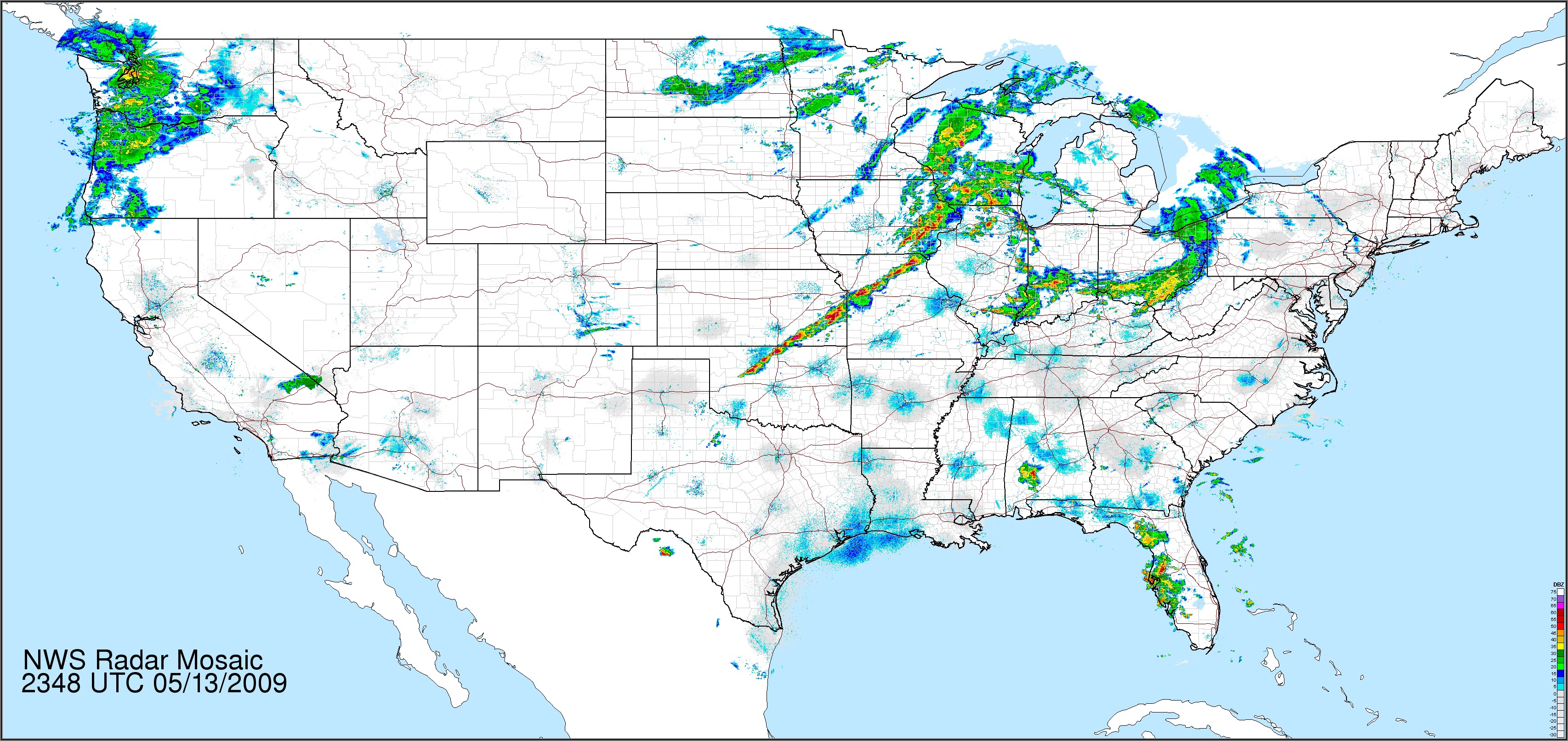
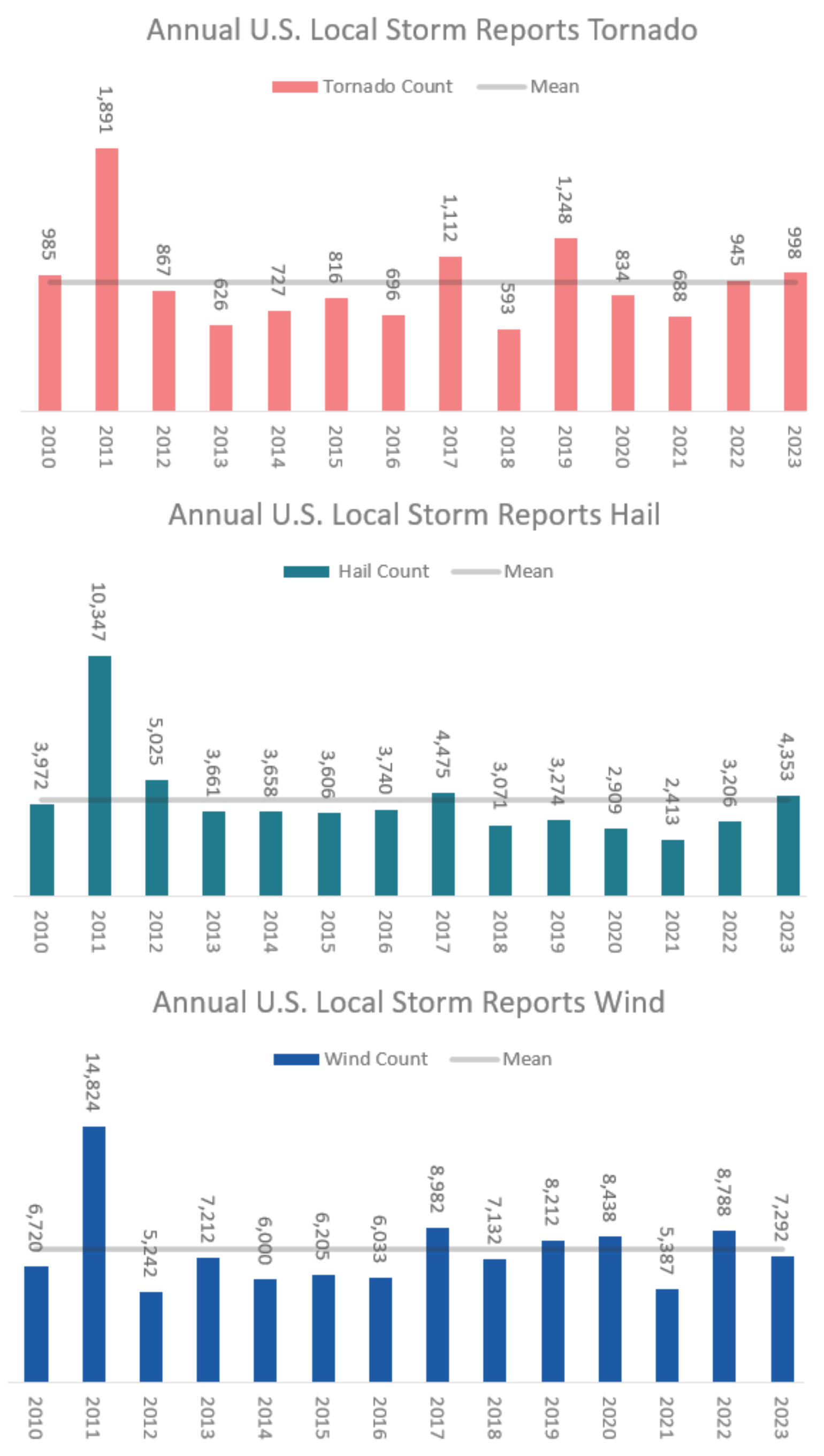
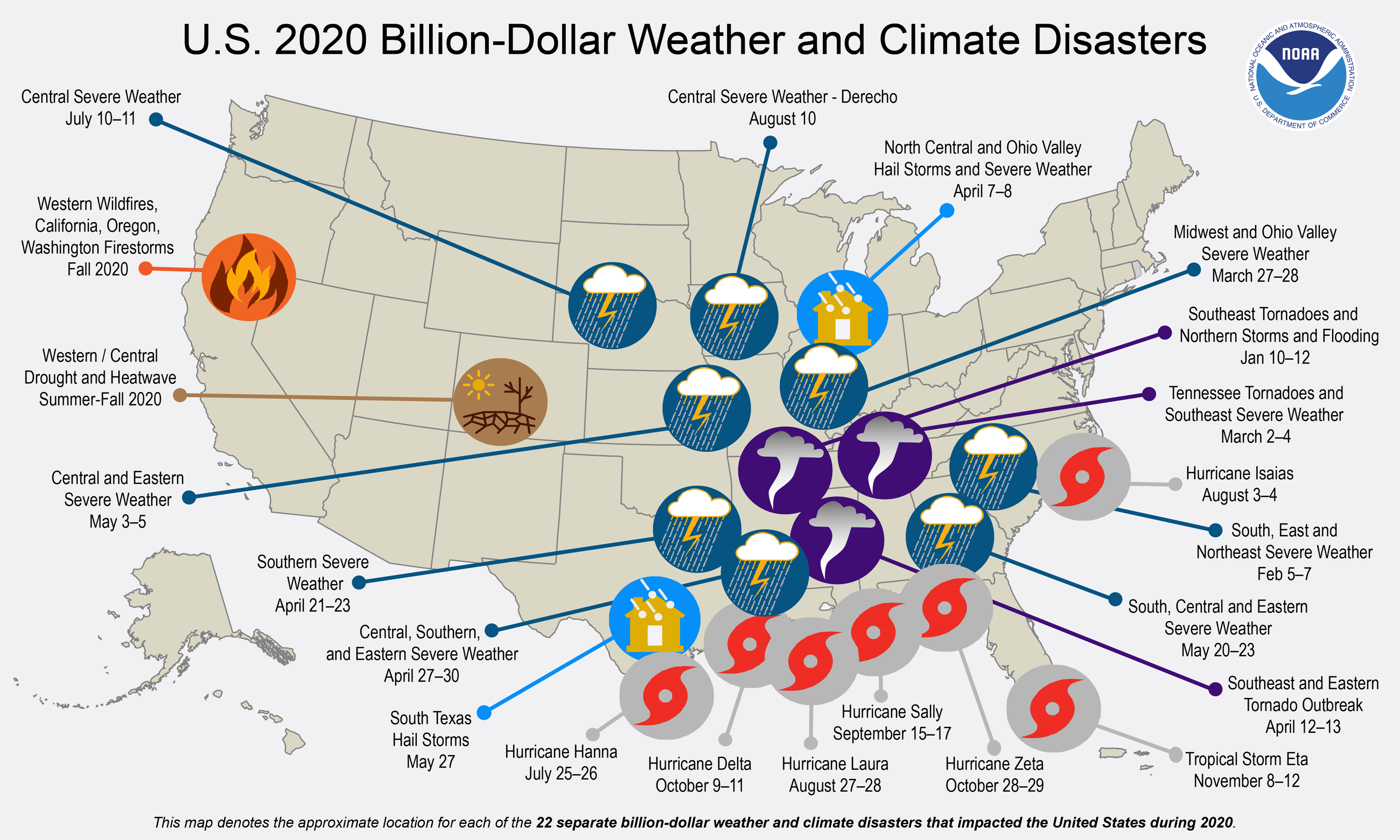
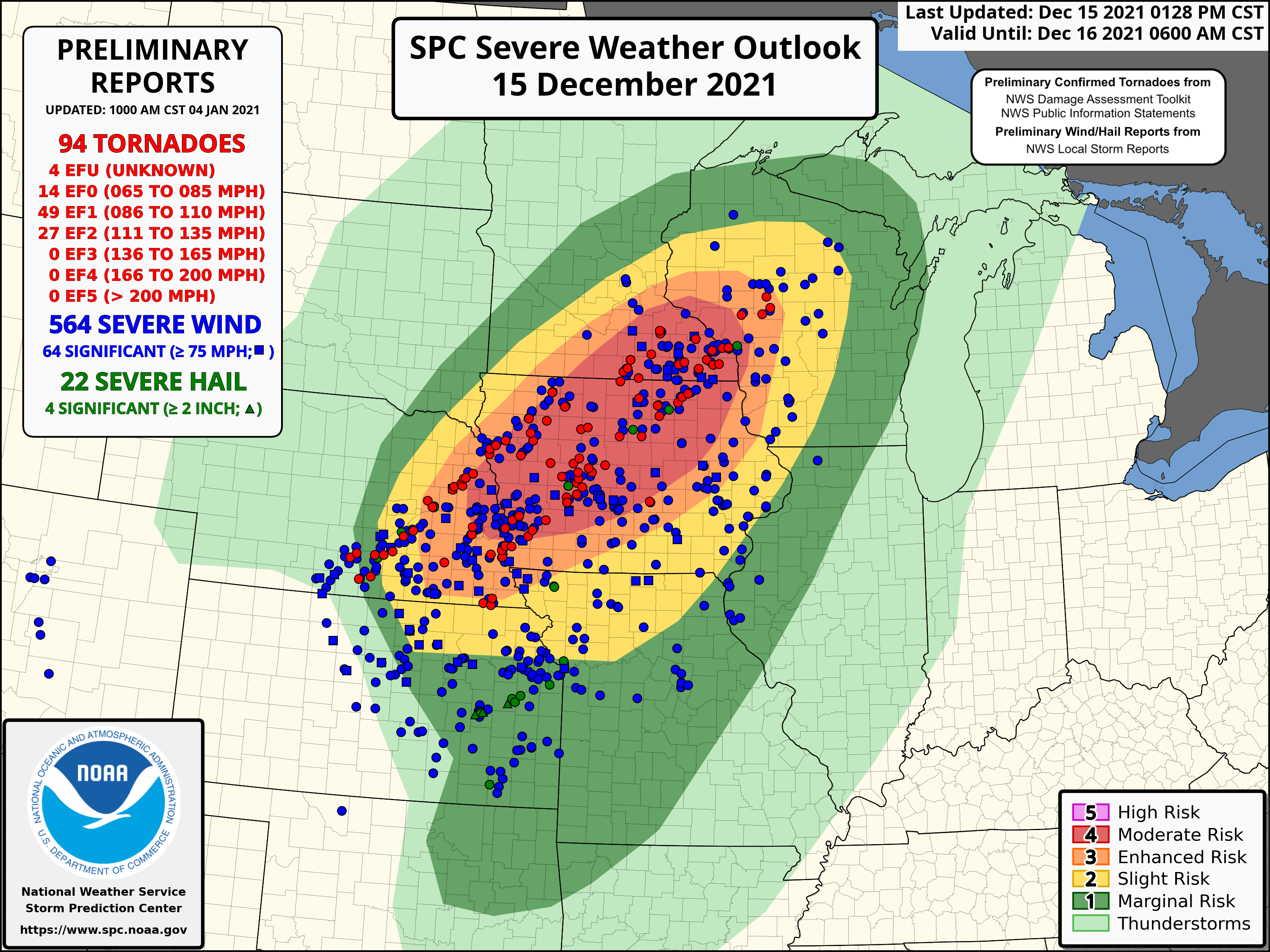
Webfind data on 48 types of severe events, such as thunderstorms, tornadoes, and hurricanes, collected by the national weather service.
People who have successfully navigated noaa severe weather mapsupport and help detail often share a few things in common: they did their research, they approached the situation with clear goals, and they were willing to adapt when necessary.
For many people, noaa severe weather mapsupport and help detail becomes most meaningful when seen through the lens of real-life application. It’s one thing to understand it conceptually — it’s another to see how it plays out when the rubber meets the road.
Let’s condense the key insights about noaa severe weather mapsupport and help detail into a format that’s easy to remember and apply:
- Break down complex aspects of noaa severe weather mapsupport and help detail into smaller, manageable pieces.
- Leverage available tools and resources to deepen your engagement with noaa severe weather mapsupport and help detail.
- Reflect regularly on your experience with noaa severe weather mapsupport and help detail — self-awareness is a powerful tool.
- Build a support network of people who understand noaa severe weather mapsupport and help detail — shared knowledge is invaluable.
- Be proactive — don’t wait for noaa severe weather mapsupport and help detail to become a pressing issue before learning about it.
All of the information in this article points toward a single conclusion: noaa severe weather mapsupport and help detail is worth understanding, worth taking seriously, and worth investing time in. We hope we’ve made that investment as rewarding as possible for you.