


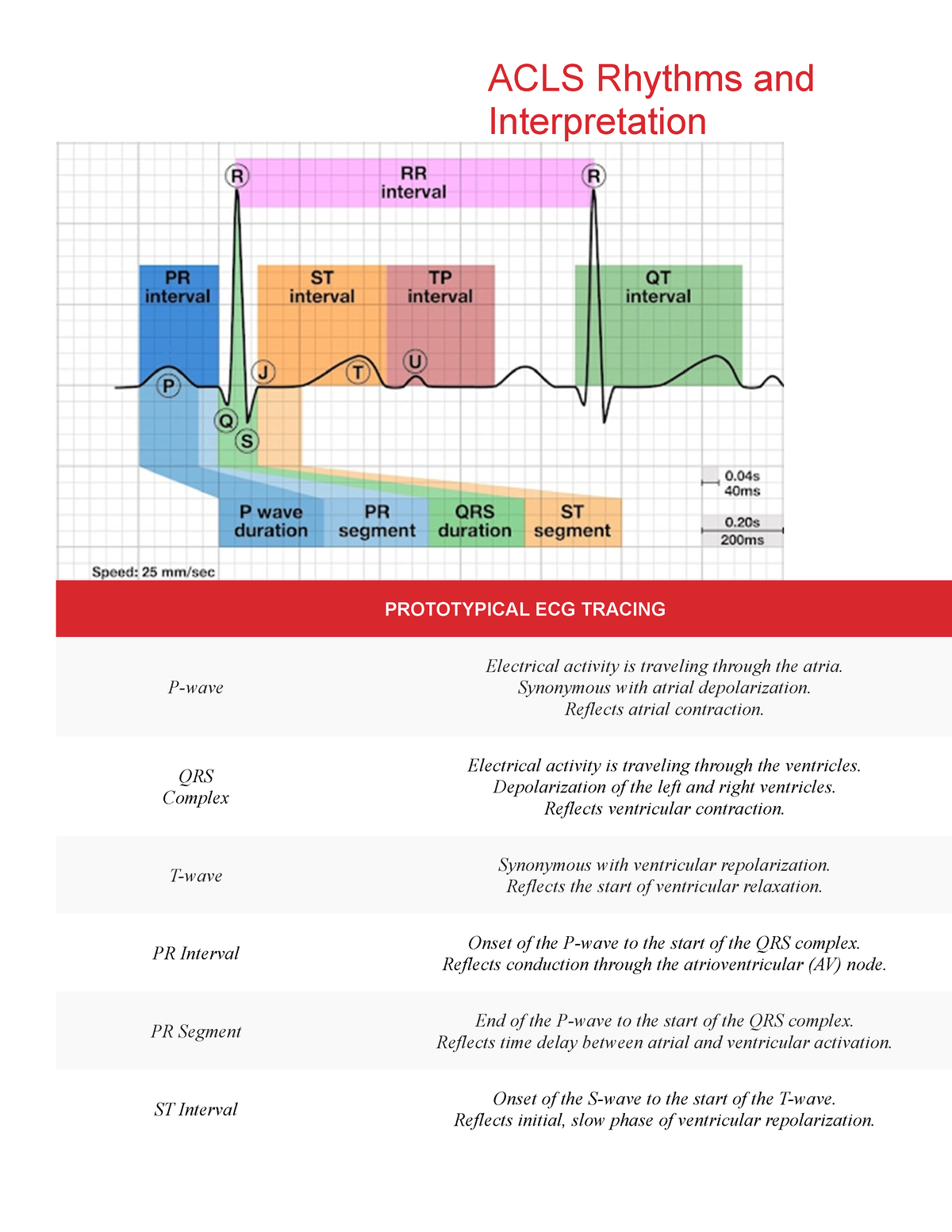
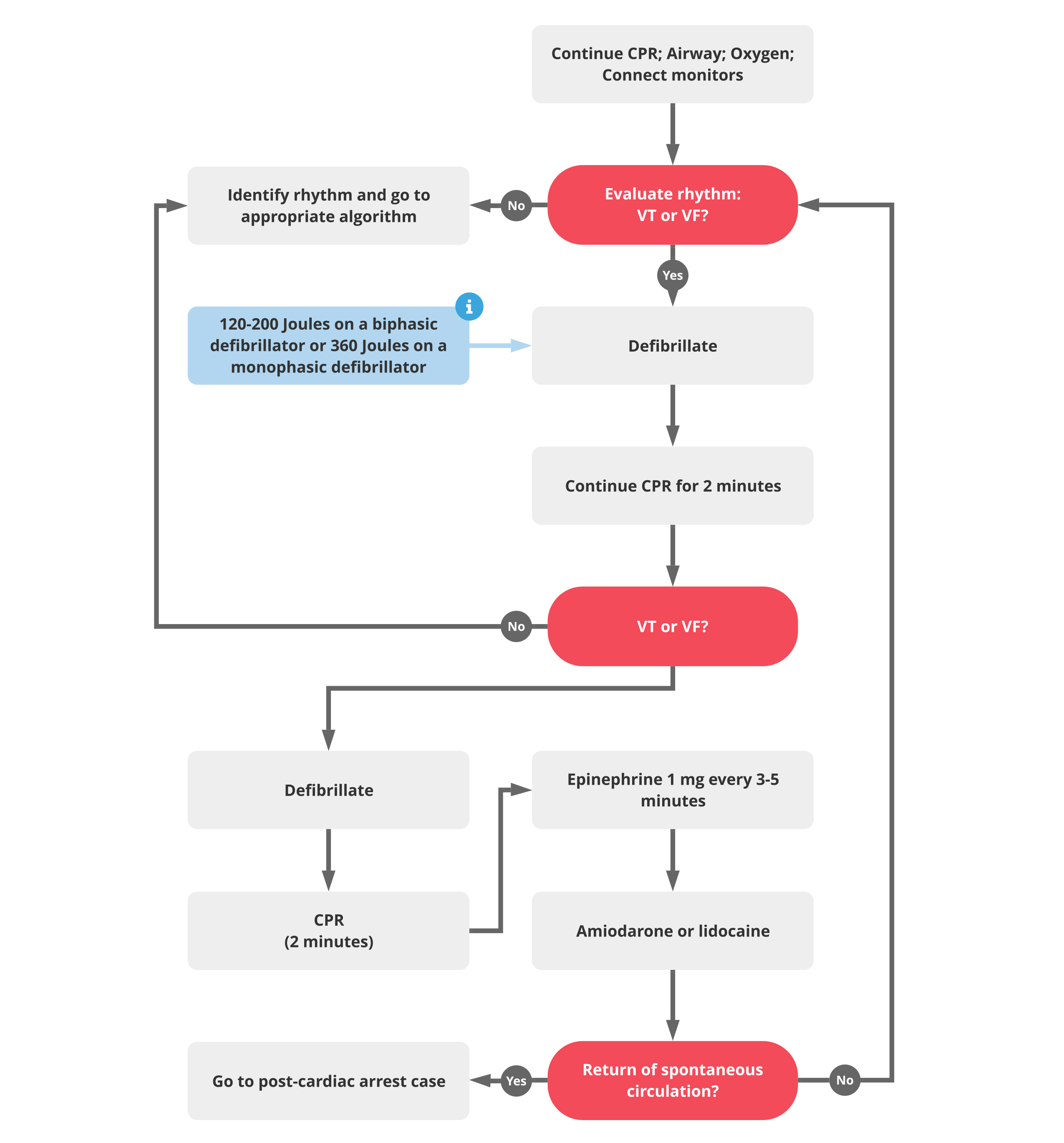

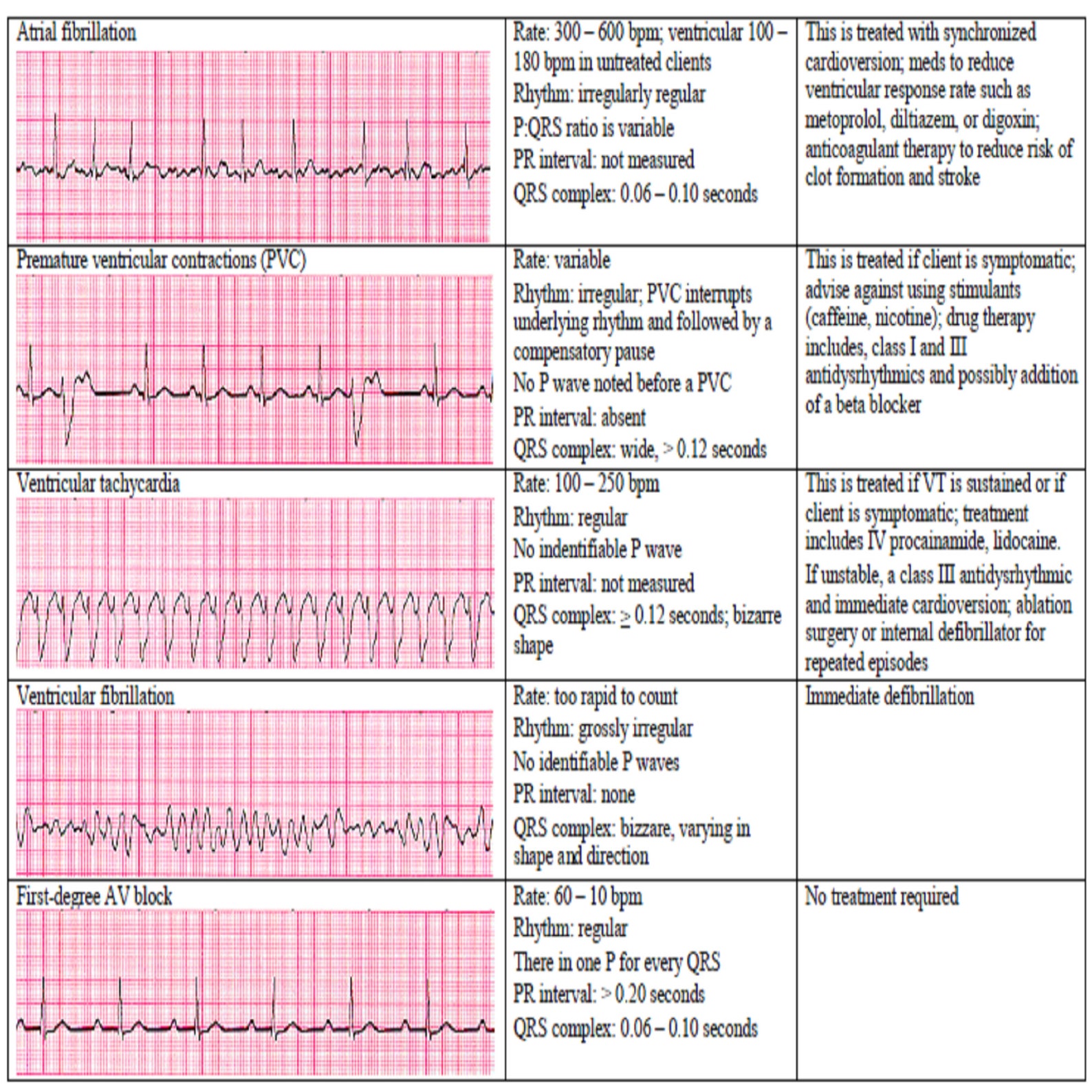

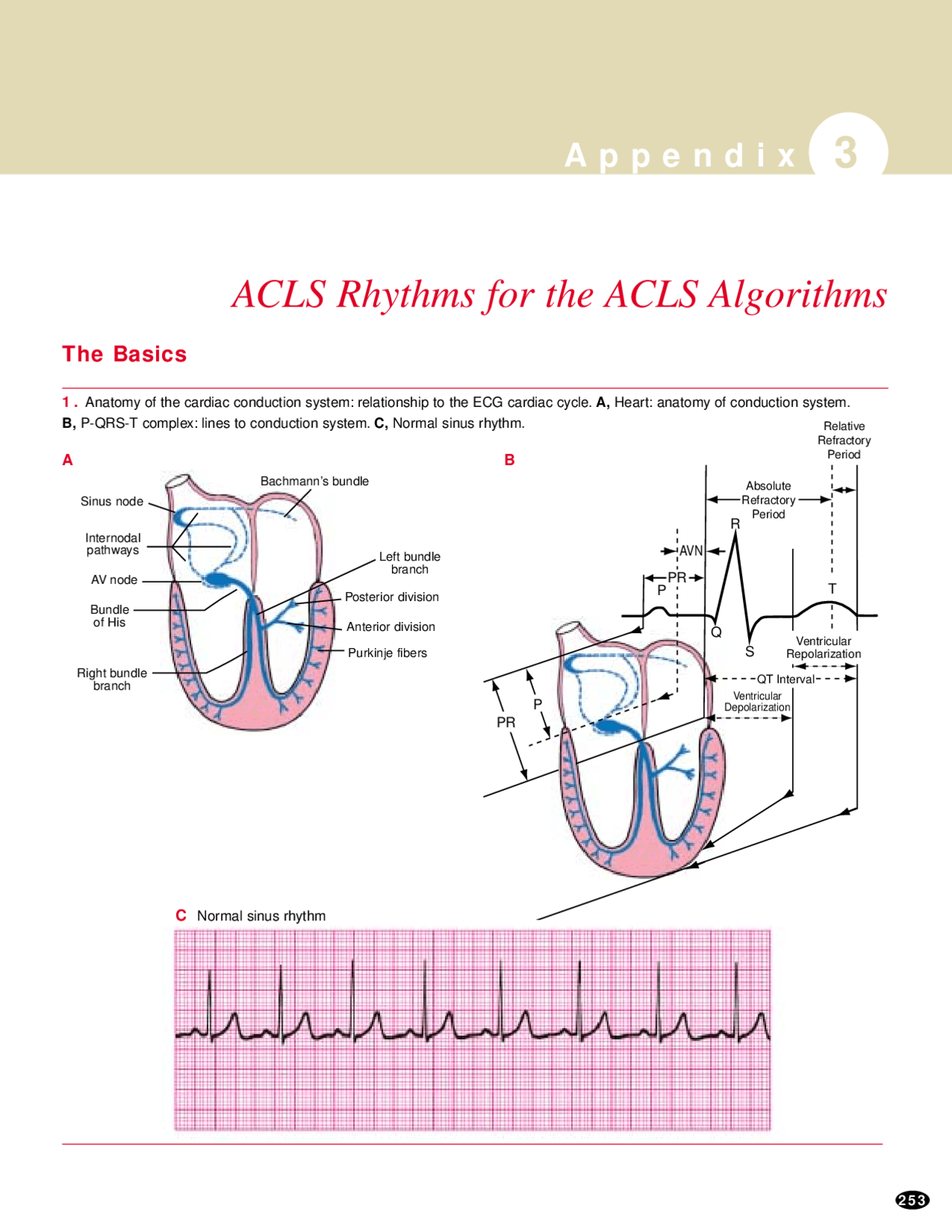


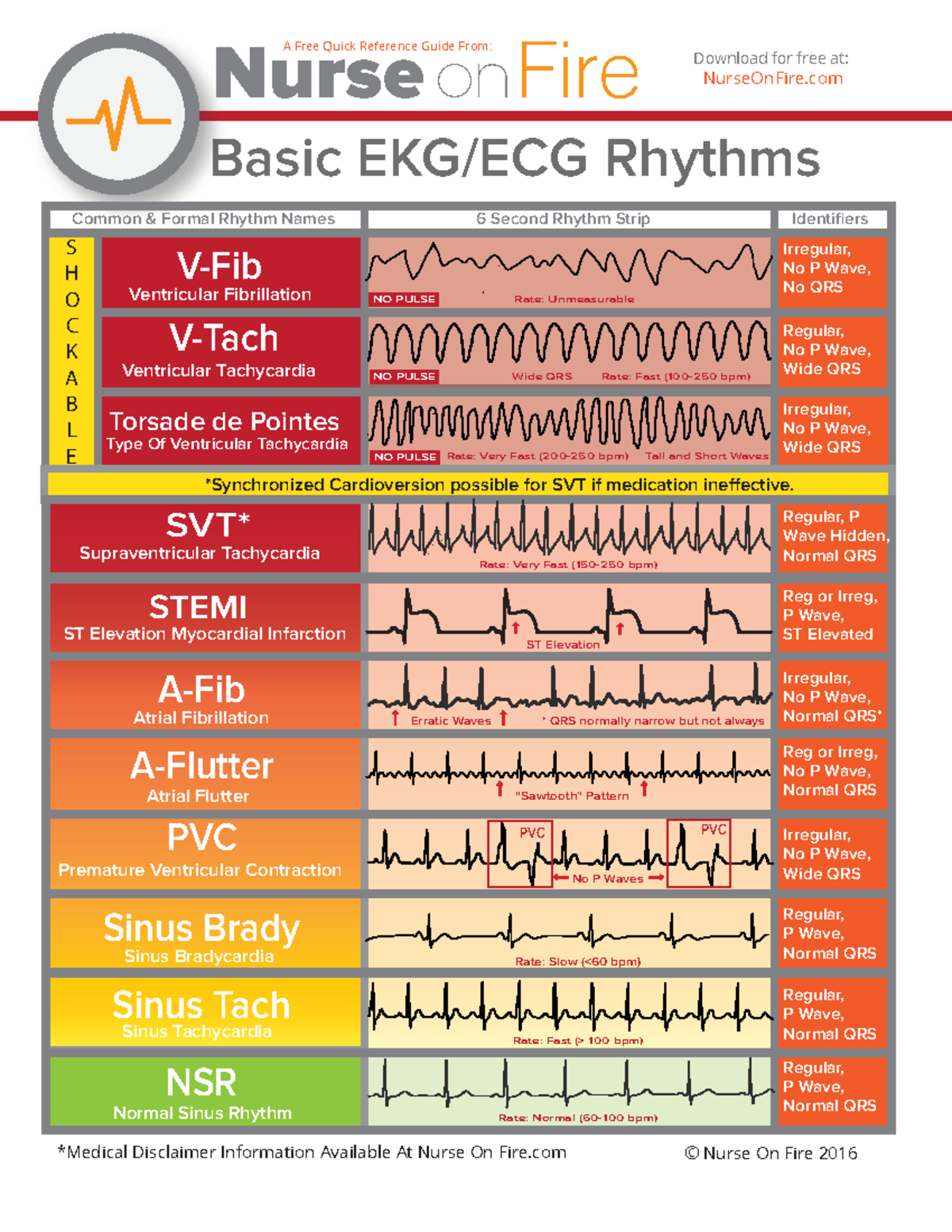


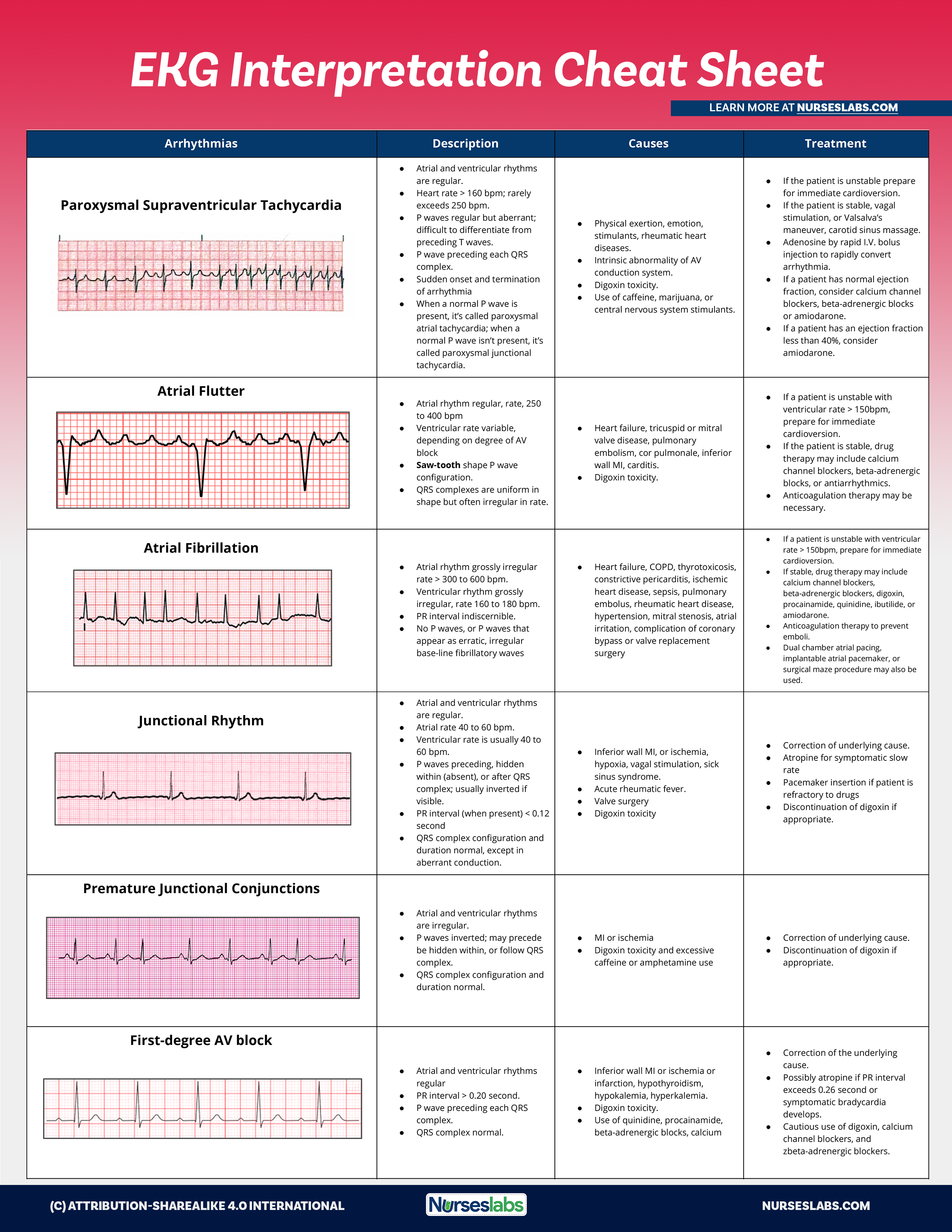


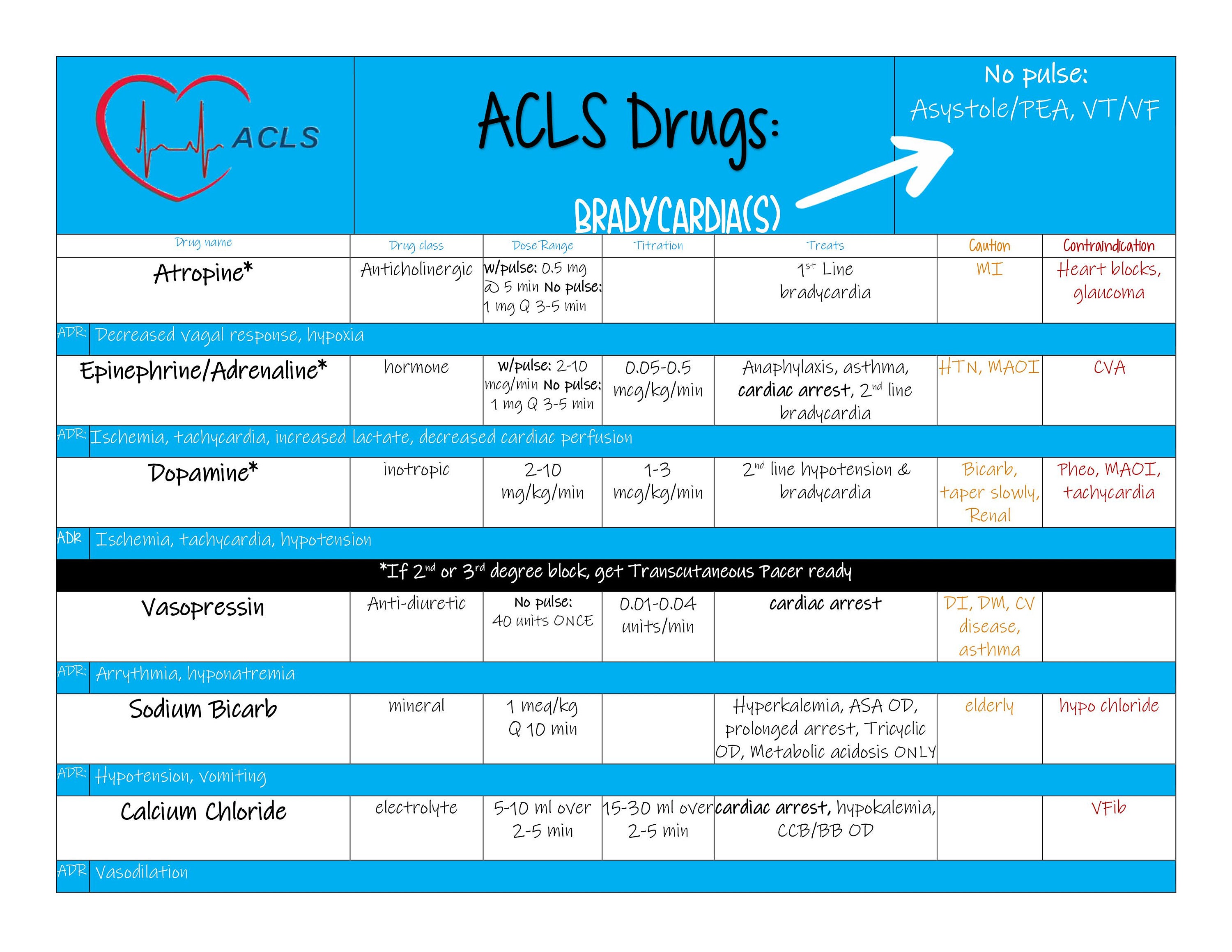
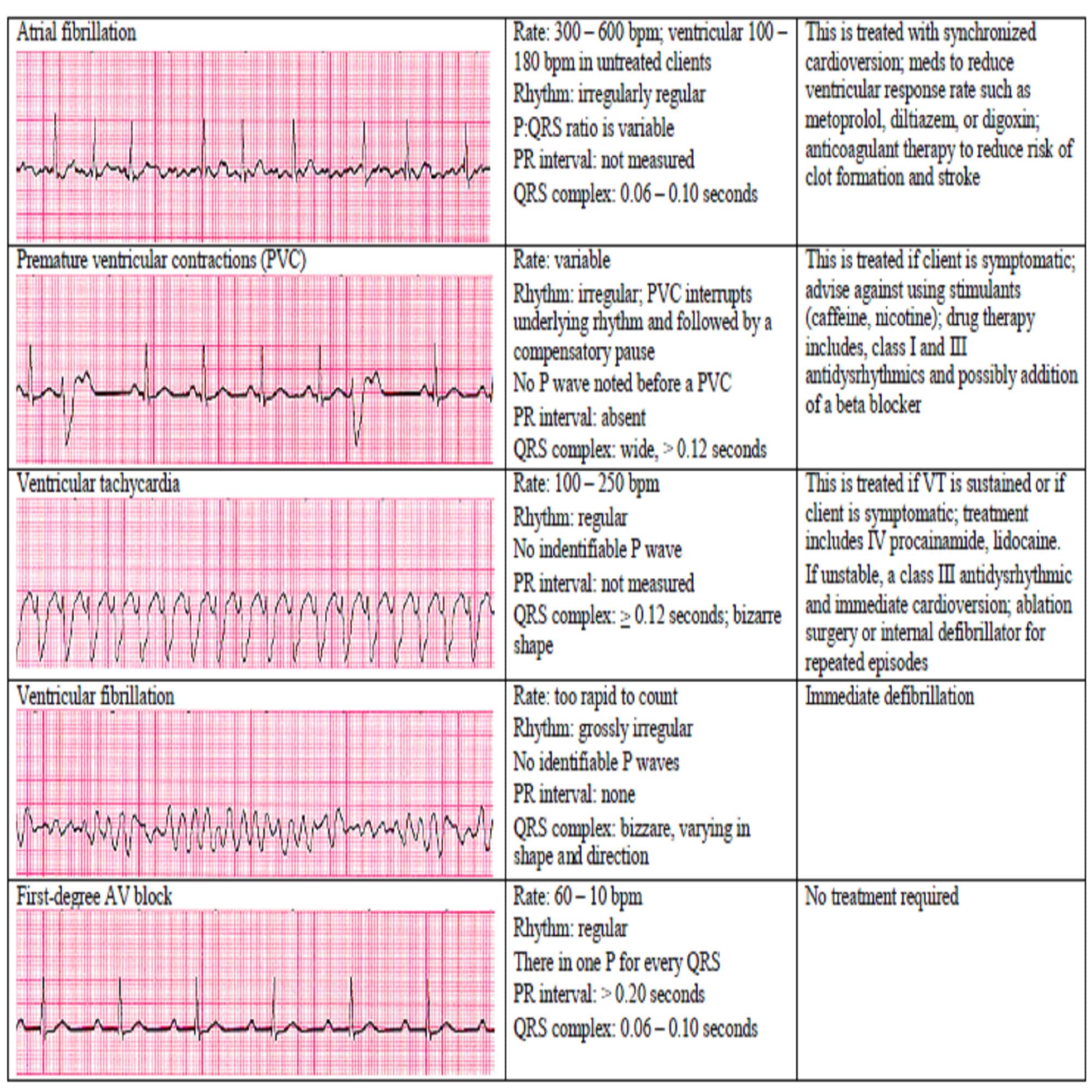




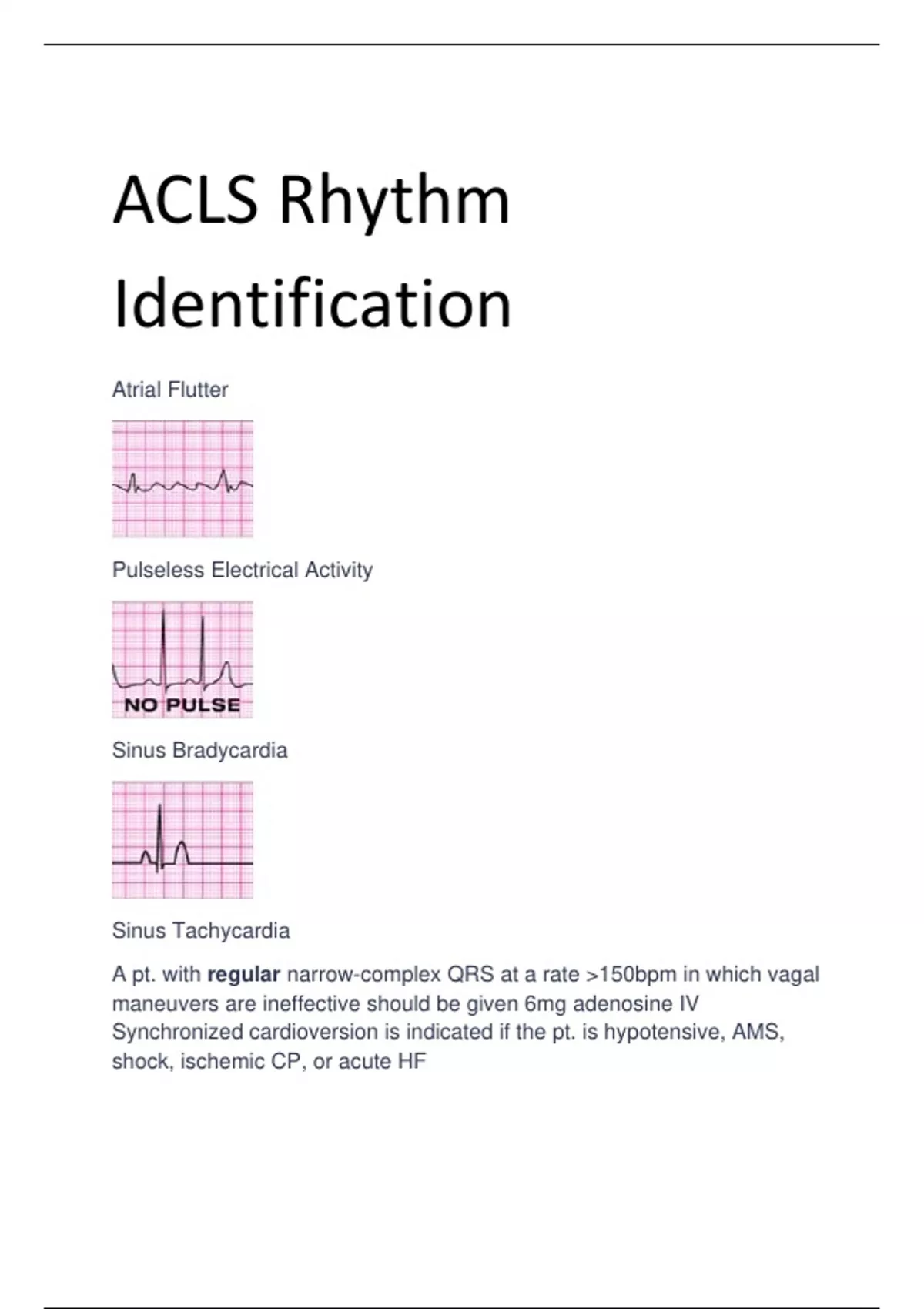
Getting clear on acls rhythm identification doesn’t have to be difficult. With the right guidance, anyone can understand this topic and apply that knowledge in practical, everyday situations.
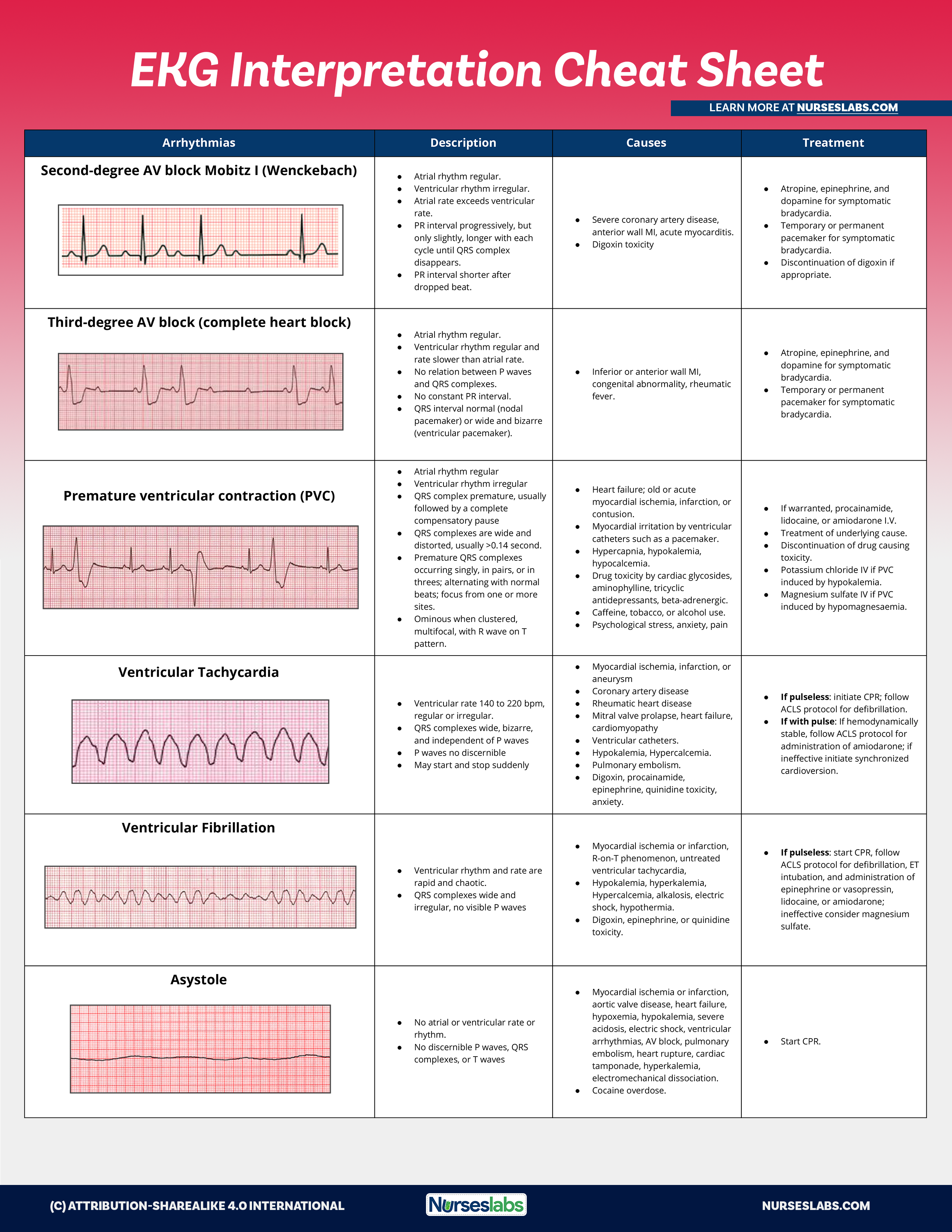
Ventricles consist of areas of normal myocardium alternating with areas of ischemic, injured, or infarcted myocardium, leading to chaotic pattern of ventricular.
Many people who were once confused about acls rhythm identification now feel confident and capable in dealing with it — because they took the time to build a proper understanding. You can do the same.
One of the first things people want to know about acls rhythm identification is why it matters. The short answer is that acls rhythm identification affects real outcomes — for individuals, communities, and sometimes larger systems. Whether the impact is immediate or long-term, understanding it helps you navigate acls rhythm identification more effectively.
Drawing from what we’ve covered, here are the most important things to understand about acls rhythm identification:
- Make learning about acls rhythm identification an ongoing process, not a one-time event.
- Remember that expertise in acls rhythm identification is built over time through consistent learning and practice.
- Prioritize accuracy over speed when gathering information about acls rhythm identification.
- Regularly evaluate whether your approach to acls rhythm identification is still serving your goals.
Every worthwhile topic deserves honest, thorough treatment — and acls rhythm identification is no exception. We’ve done our best to deliver that here, and we hope it makes a real difference in how you approach and experience acls rhythm identification going forward.