






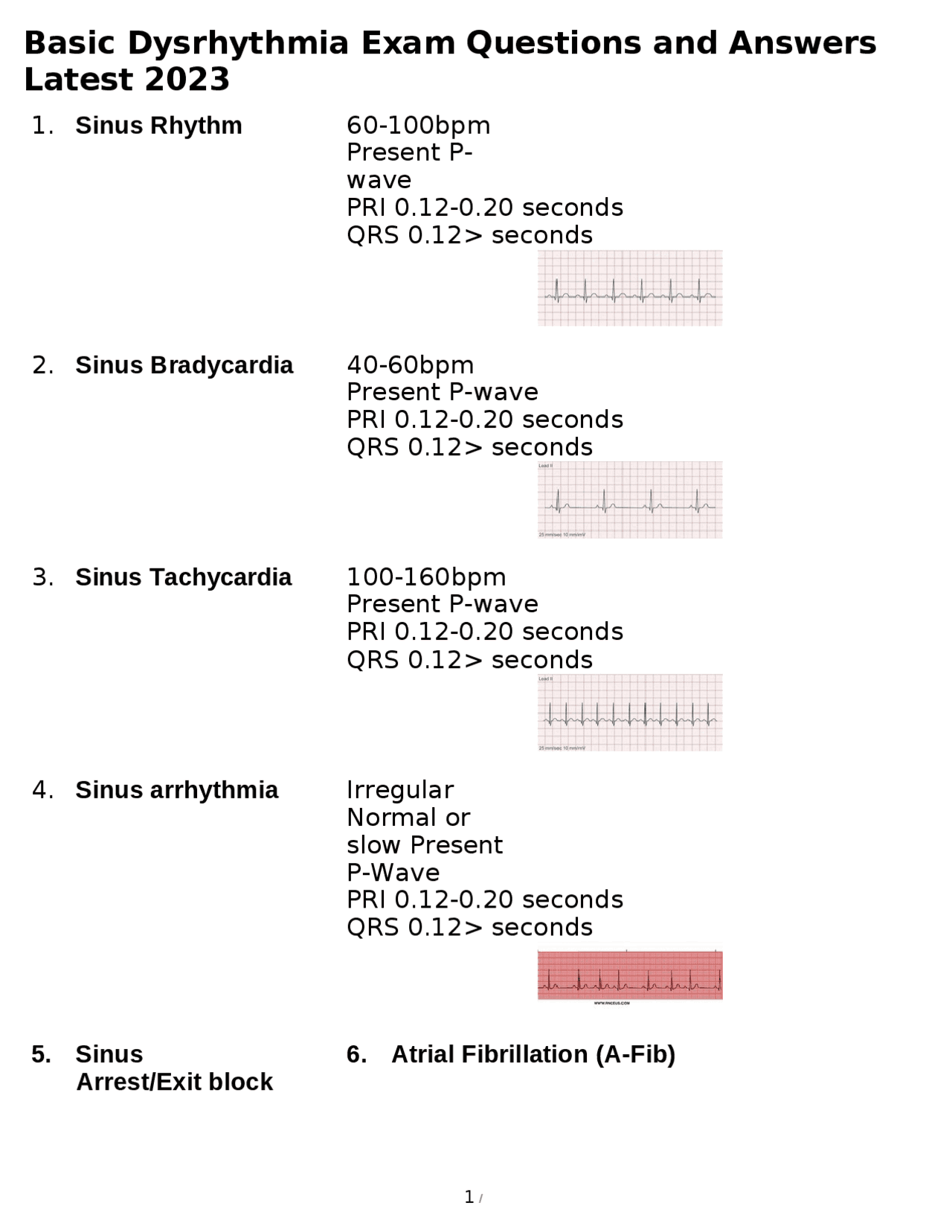
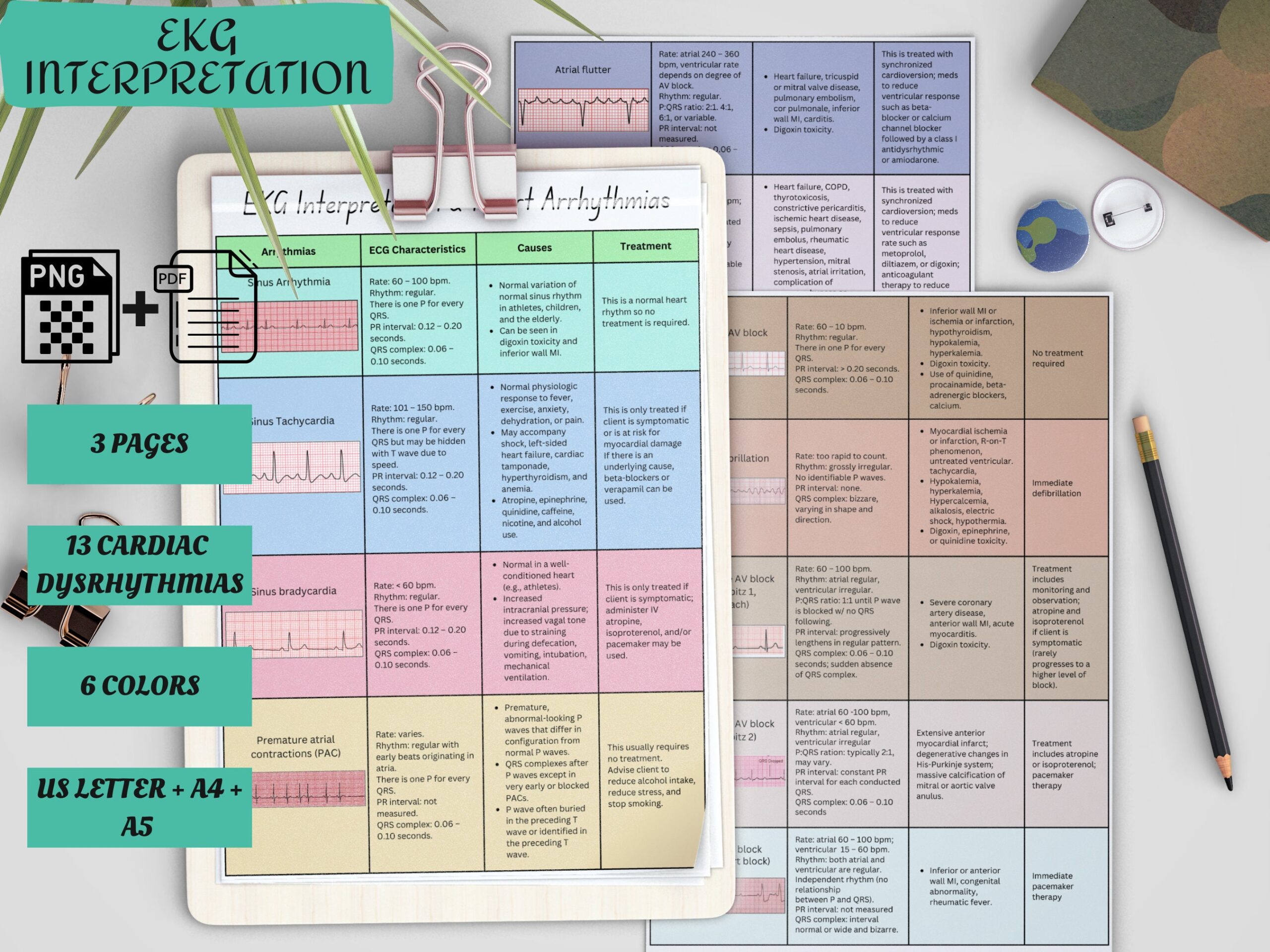

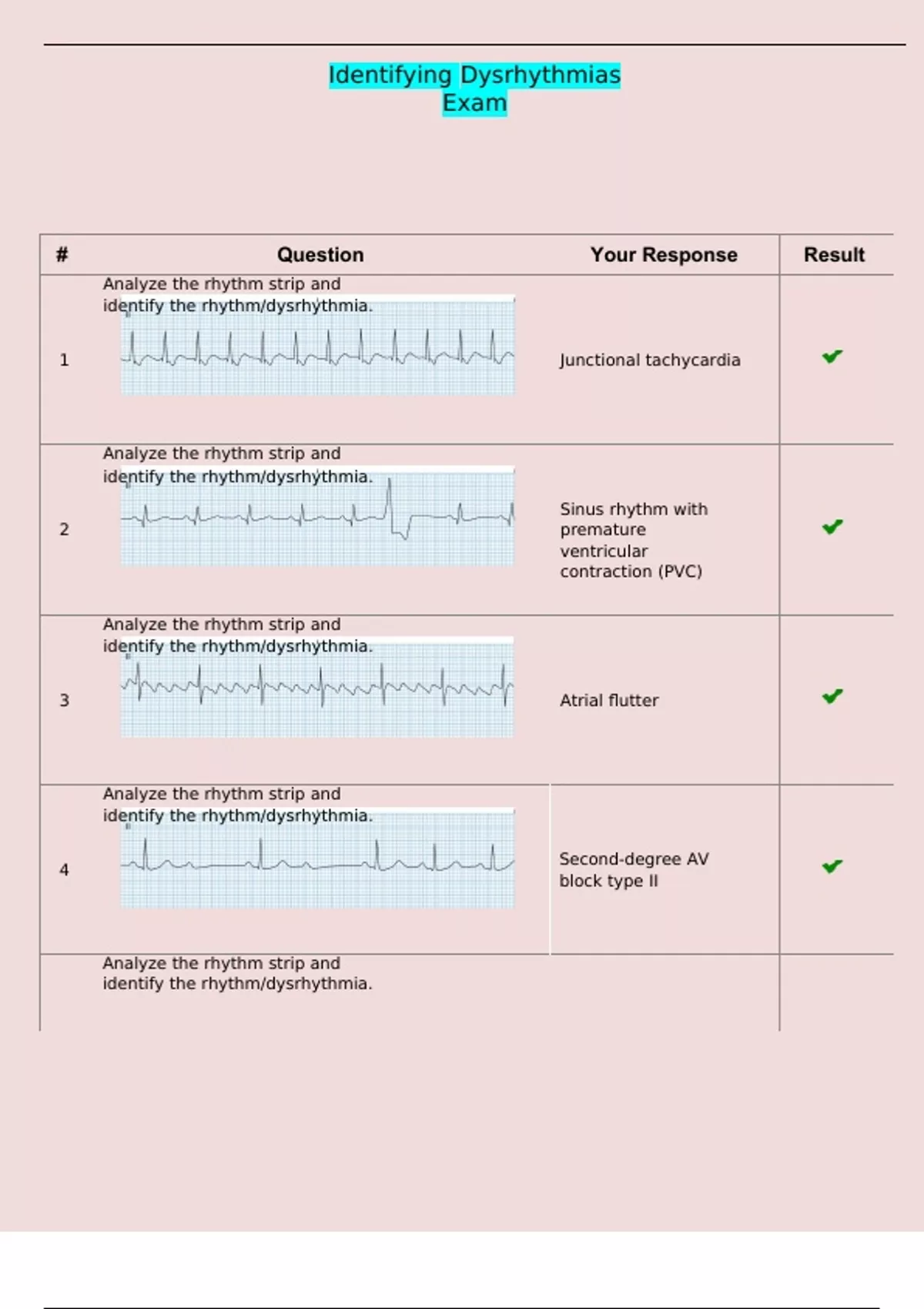


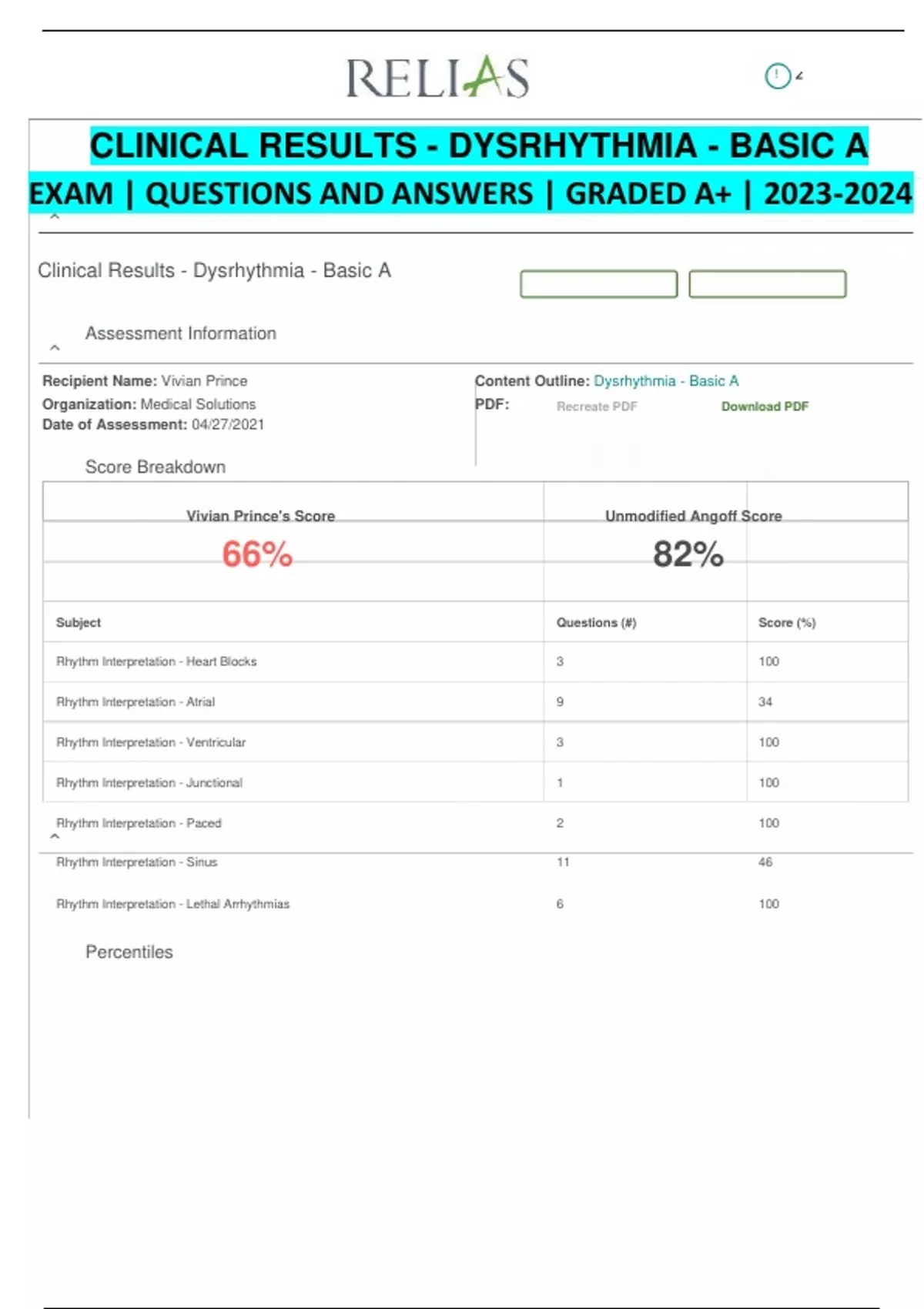
You might have questions, concerns, or simply curiosity about dysrhythmia nursing questions. Whatever brought you here, we’re glad you came — and we promise to deliver real value.
Weba rapid, weak pulse with low blood pressure is a clinical manifestation of ventricular tachycardia.
The challenges associated with dysrhythmia nursing questions are real, but they’re also manageable — especially when you approach them with the right knowledge and mindset. This article is designed to help you do exactly that.
An honest look at dysrhythmia nursing questions reveals both its strengths and its limitations. No topic is without complexity, and dysrhythmia nursing questions is no exception — but understanding both sides gives you a more complete and useful perspective.
Distilling what we know about dysrhythmia nursing questions into its most useful form gives us the following:
- Connect theoretical knowledge about dysrhythmia nursing questions with practical experience whenever possible.
- Make learning about dysrhythmia nursing questions an ongoing process, not a one-time event.
- Apply a growth mindset to your engagement with dysrhythmia nursing questions — every challenge is a learning opportunity.
- Regularly evaluate whether your approach to dysrhythmia nursing questions is still serving your goals.
- Be honest about what you don’t yet know about dysrhythmia nursing questions — that awareness guides your next steps.
This concludes our comprehensive look at dysrhythmia nursing questions. We’ve covered the essentials, addressed common questions, and provided practical guidance. Use this resource well — and remember that understanding dysrhythmia nursing questions is a journey, not a destination.