













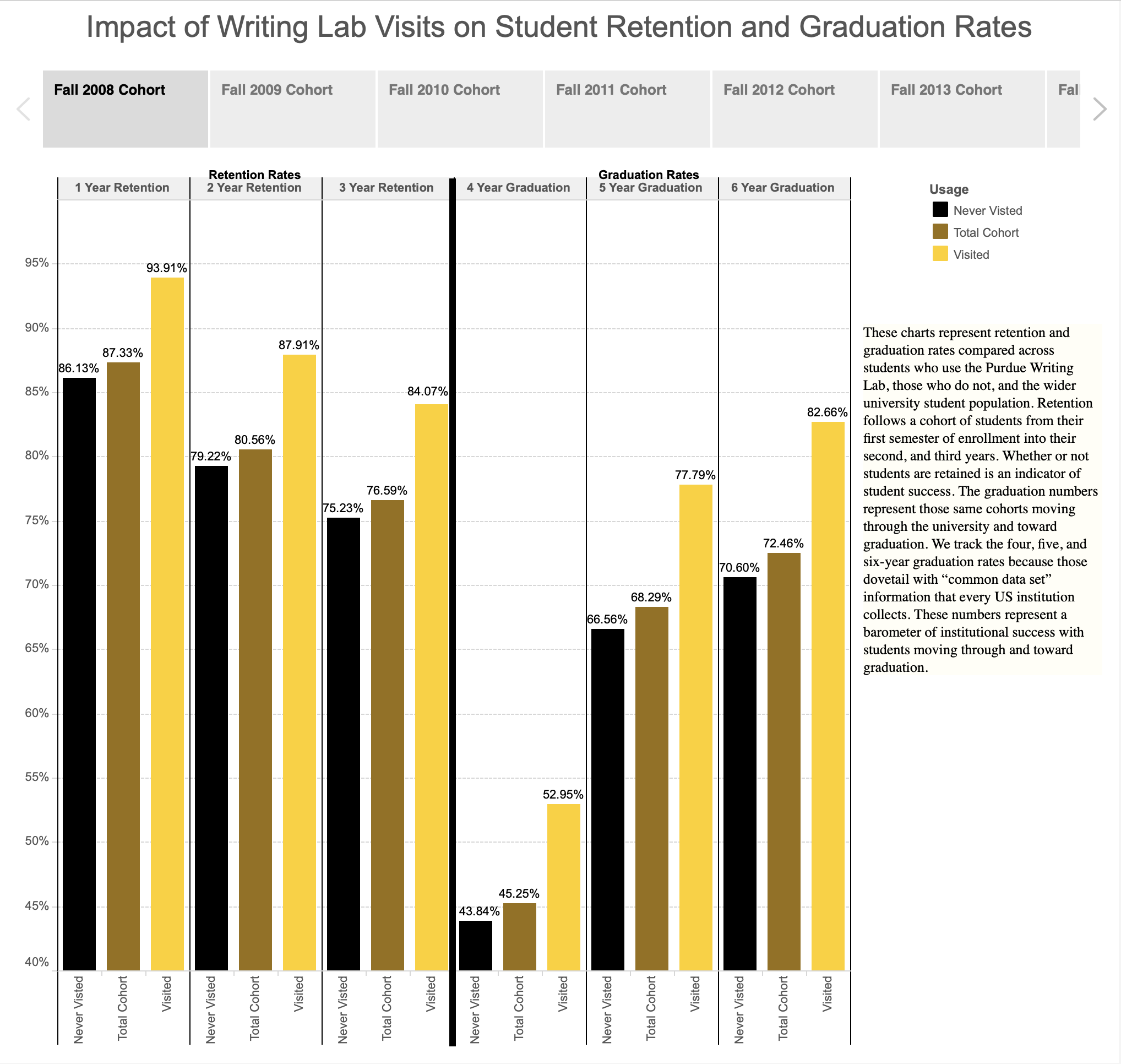
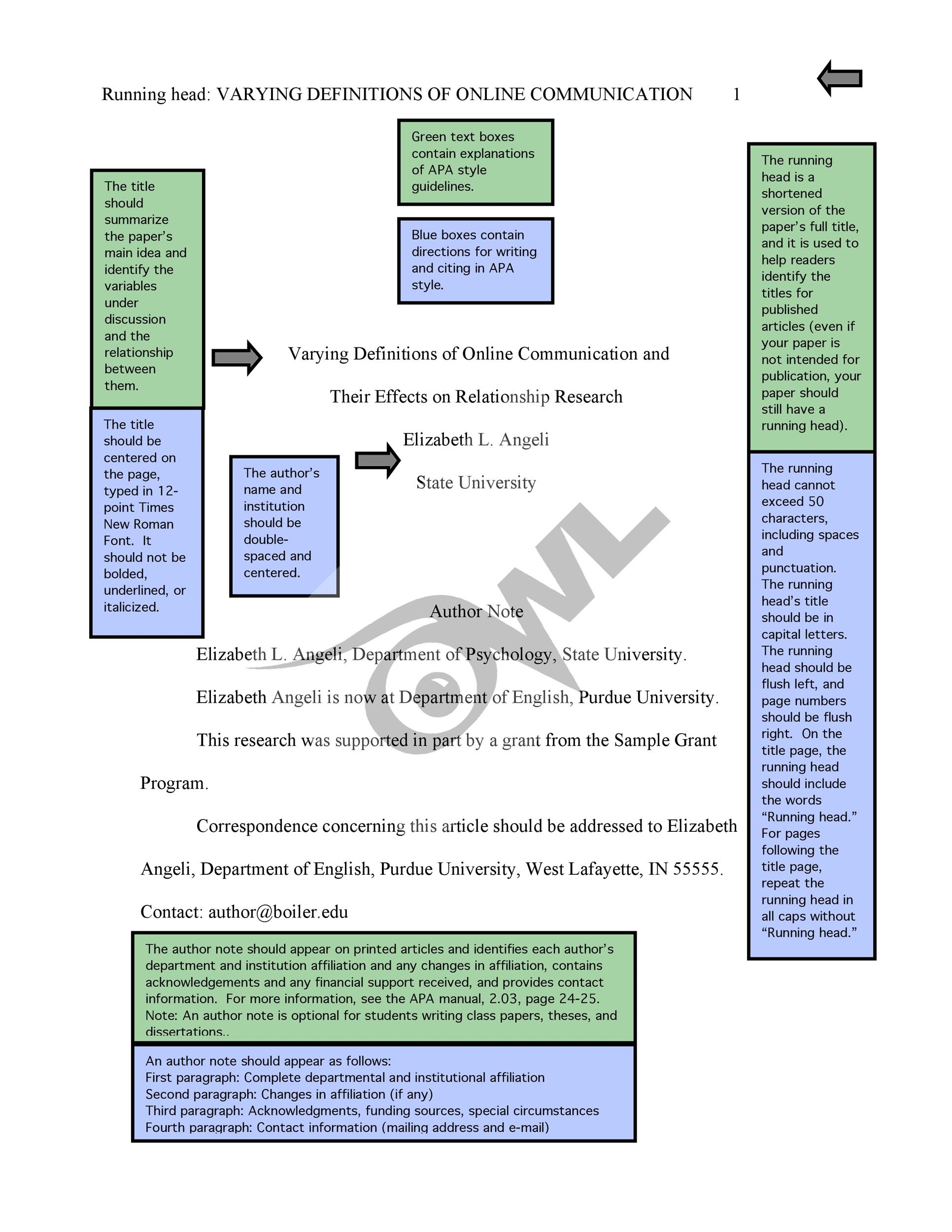
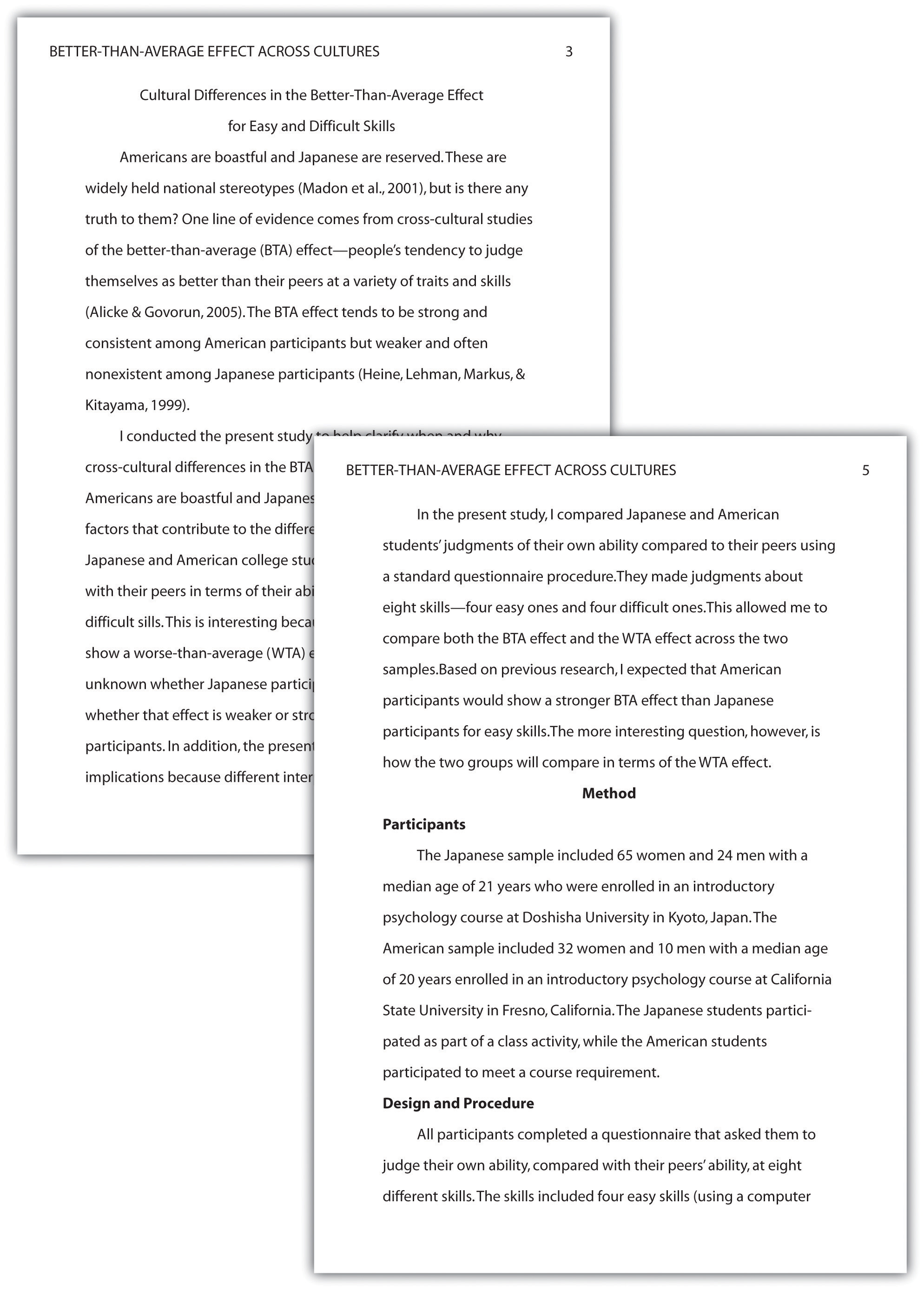
Some topics are simple at the surface but reveal real depth when you look closer. Purdue Writing Lab is one of those topics, and this article brings that depth to light.
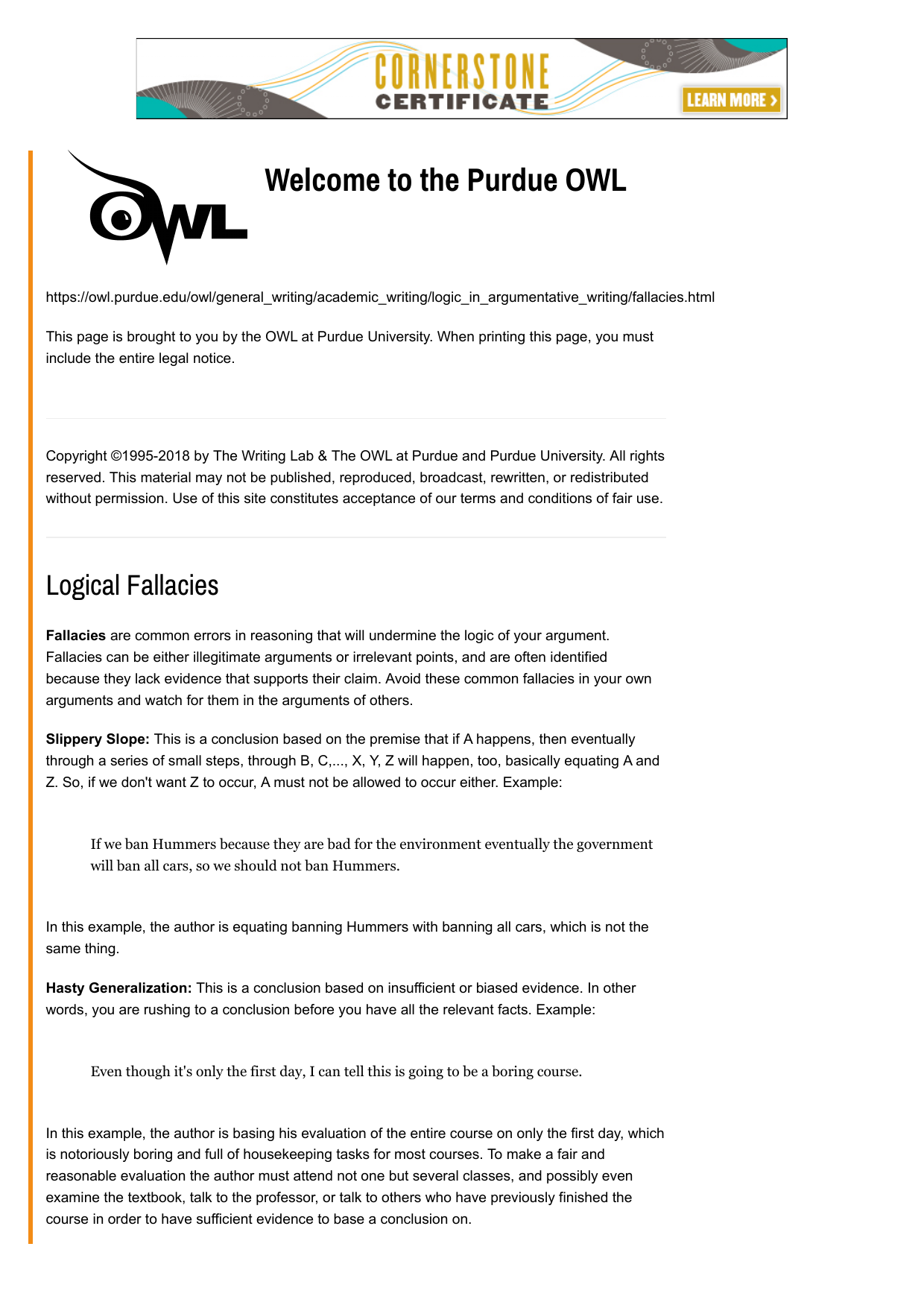
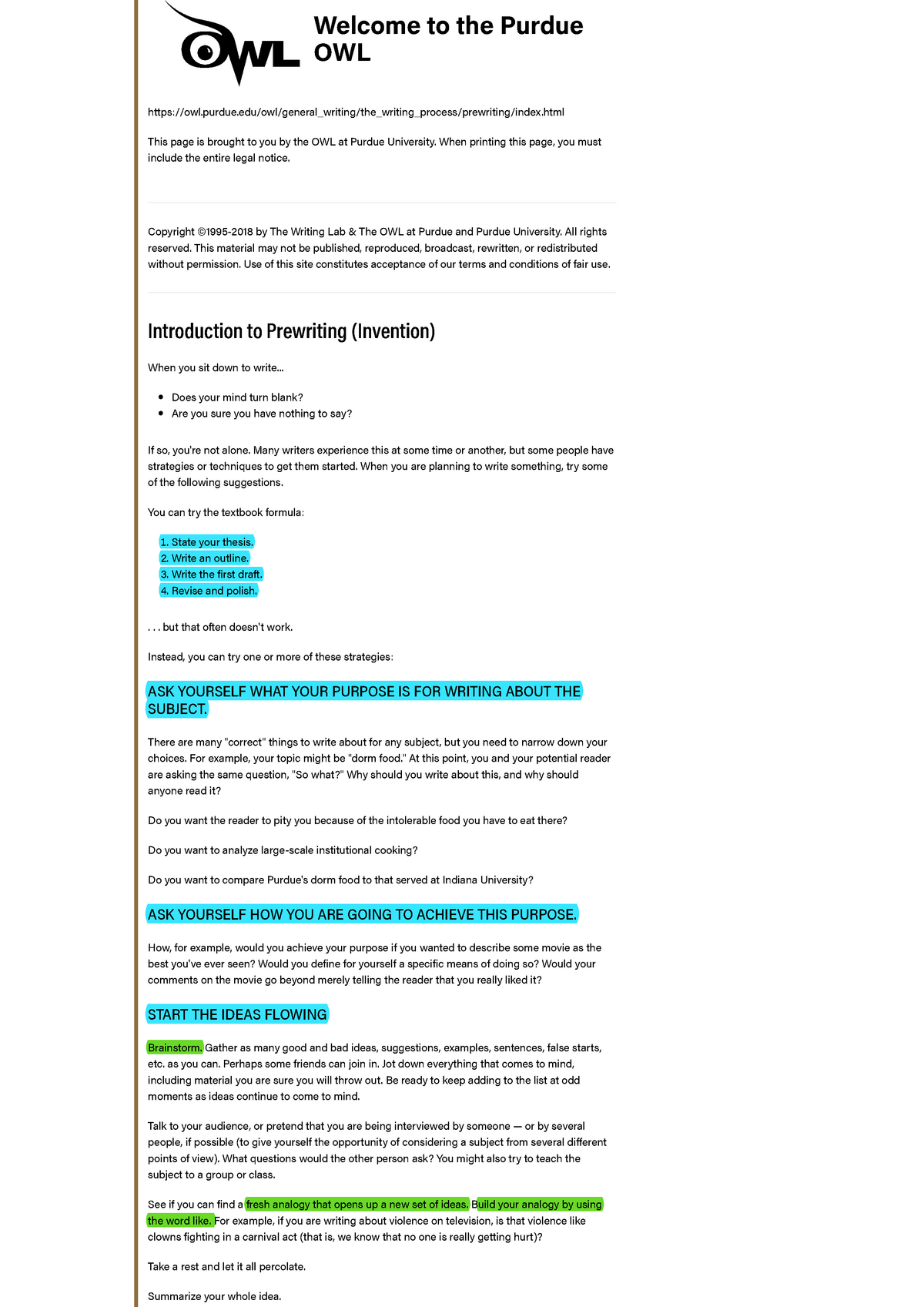
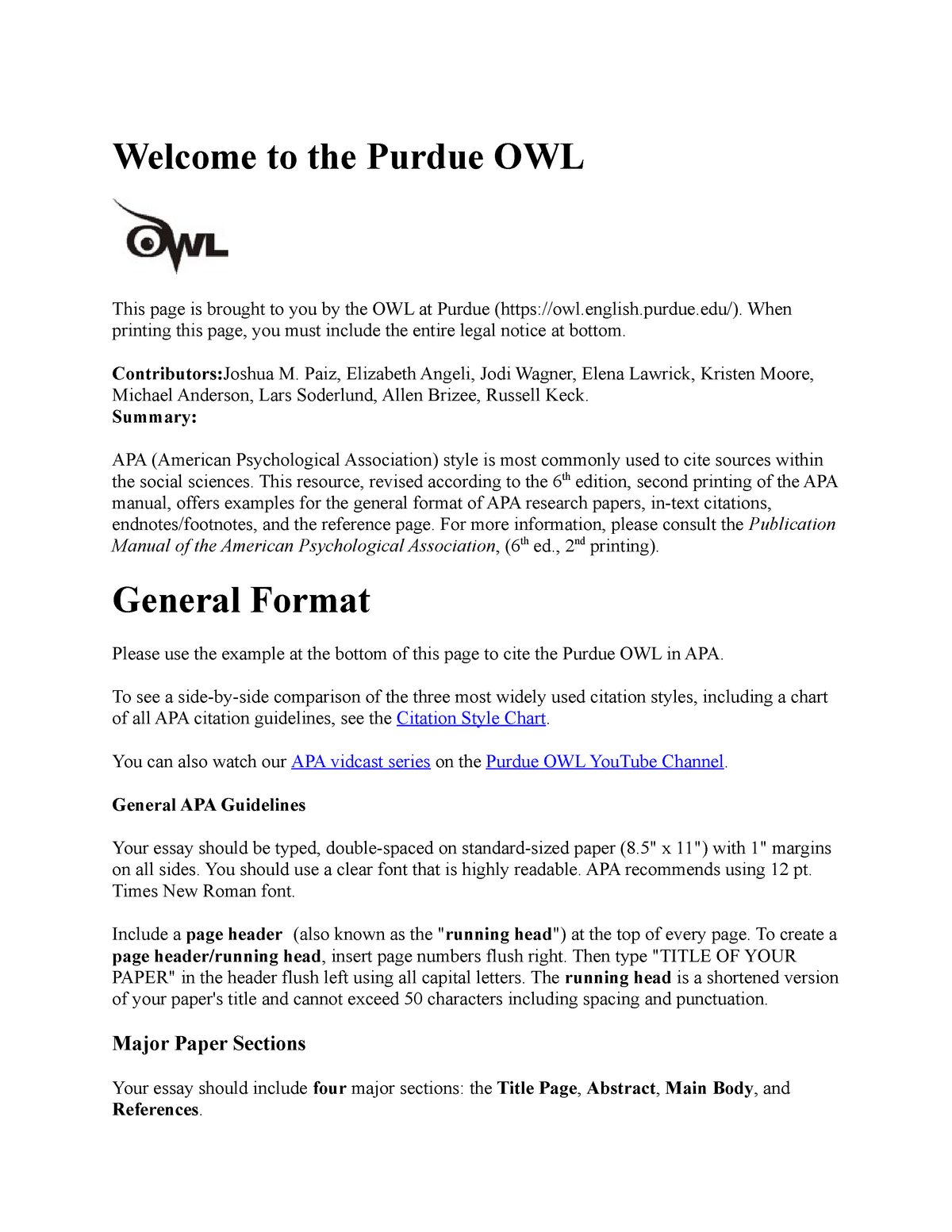
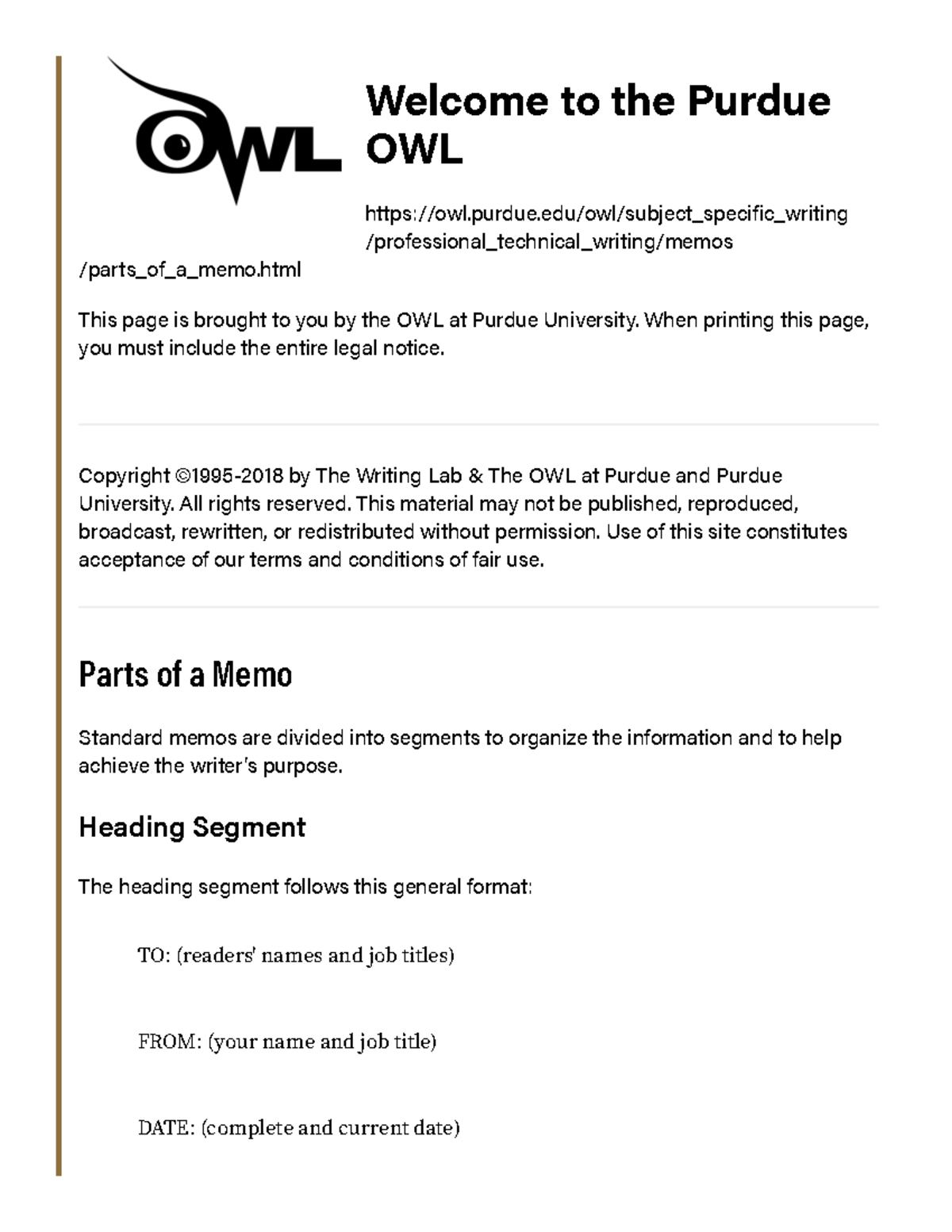
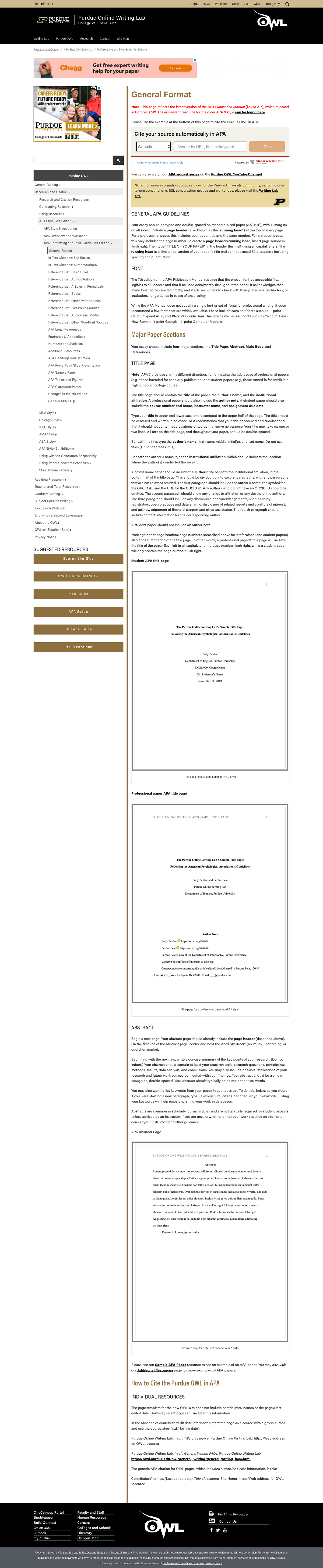
Webthese owl resources will help you conduct research using primary source methods, such as interviews and observations, and secondary source methods, such as books,.
When people run into problems related to purdue writing lab, it’s often because they’ve overlooked one or two key details. Being aware of the most common pitfalls helps you avoid them and get better results from the start.
To truly understand purdue writing lab, it helps to look at the broader context. Purdue Writing Lab doesn’t exist in a vacuum — it connects to a variety of related ideas, practices, and real-world situations that shape how people experience it. When you take that bigger picture into account, the details become much easier to make sense of.
As a practical guide to purdue writing lab, the following points deserve special attention:
- Share what you learn about purdue writing lab with others — teaching reinforces your own understanding.
- Invest in quality information about purdue writing lab rather than settling for the first answer you find.
- Think critically about any claims you encounter regarding purdue writing lab.
- Stay flexible — rigid thinking rarely serves well when it comes to purdue writing lab.
- Focus on the aspects of purdue writing lab that are most directly relevant to your situation.
- Give yourself time to process what you learn about purdue writing lab — reflection aids retention.
We’ve covered a lot of ground in this article on purdue writing lab. The most important thing now is to carry that knowledge forward — applying it where it’s relevant and continuing to build on it over time.