



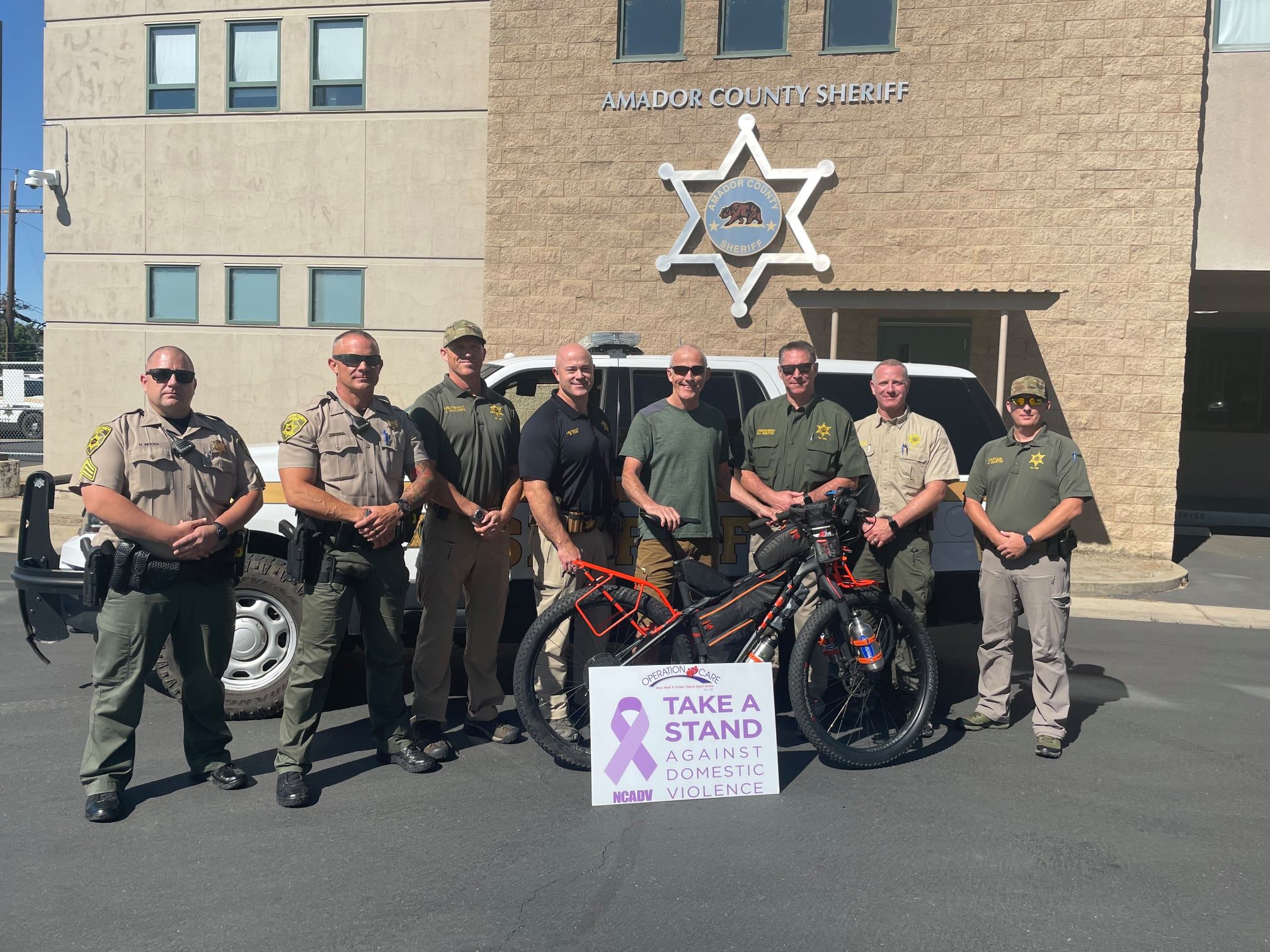




The conversation around amador crime graphics has grown significantly in recent years. It’s a topic that resonates with a wide audience, and this article reflects that broad relevance.
The fbi collects statistics on the following major crime categories (part 1 crimes).
Most discussions about amador crime graphics center on a core set of questions: What is it? Why does it matter? What should I do with this information? This article addresses each of those questions in a logical, accessible way.
By now, you should have a reasonably clear picture of amador crime graphics and its most important dimensions. The next step is applying that knowledge in whatever context is most relevant to your life.
The following observations about amador crime graphics come up time and time again for good reason:
- Use available tools, guides, and communities to support your journey with amador crime graphics.
- Acknowledge that complexity is normal — amador crime graphics rarely has simple, one-size-fits-all answers.
- Trust the process — navigating amador crime graphics well requires patience and persistence.
- Seek diverse perspectives on amador crime graphics — different viewpoints can reveal aspects you might otherwise miss.
- Stay organized when dealing with amador crime graphics — a clear structure reduces confusion.
- Focus on what you can control within the scope of amador crime graphics.
This has been your guide to amador crime graphics. Take the insights you’ve gained, apply them where they’re relevant, and return whenever you have new questions. The goal has always been to be a genuinely useful resource — and on that front, we hope we’ve delivered.