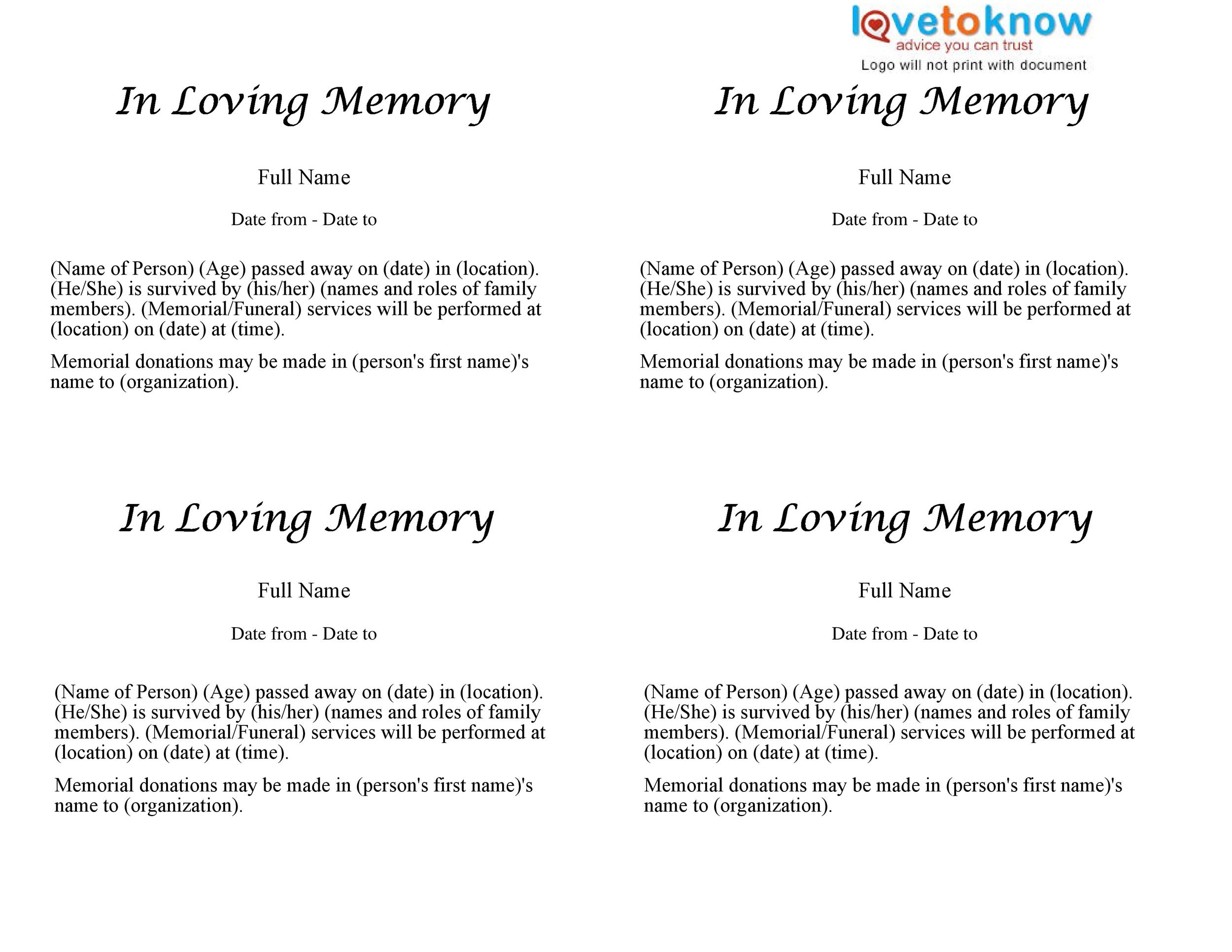





















Understanding in memoriam obituaries that preserve the memory of loved ones is more important than ever. Whether you’re a first-timer or have some experience with in memoriam obituaries that preserve the memory of loved ones, this article breaks down everything you need to know in clear, simple terms.
Webif you’ve recently lost a loved one and are in charge of writing an obituary, here’s a good place to start.
As you explore in memoriam obituaries that preserve the memory of loved ones, keep in mind that different sources will frame it differently. Some will emphasize technical aspects, others will focus on practical implications. A well-rounded understanding draws from multiple perspectives.
It’s also worth considering the role that timing plays in in memoriam obituaries that preserve the memory of loved ones. In many cases, when you engage with something matters almost as much as how you engage with it.
To get the most out of your engagement with in memoriam obituaries that preserve the memory of loved ones, consider the following key insights:
- Stay current — in memoriam obituaries that preserve the memory of loved ones is a topic that evolves, and outdated information can lead you astray.
- Look for patterns in how in memoriam obituaries that preserve the memory of loved ones plays out across different situations.
- Use what you learn about in memoriam obituaries that preserve the memory of loved ones in practical ways as soon as possible to reinforce your understanding.
- Clarify your goals before engaging with in memoriam obituaries that preserve the memory of loved ones — knowing what you want to get out of it shapes how you approach it.
- Don’t be afraid to ask questions when something about in memoriam obituaries that preserve the memory of loved ones isn’t clear.
Learning about in memoriam obituaries that preserve the memory of loved ones is a step toward greater clarity, capability, and confidence. We hope this article has contributed meaningfully to all three — and that it serves as a resource you can return to whenever you need it.