










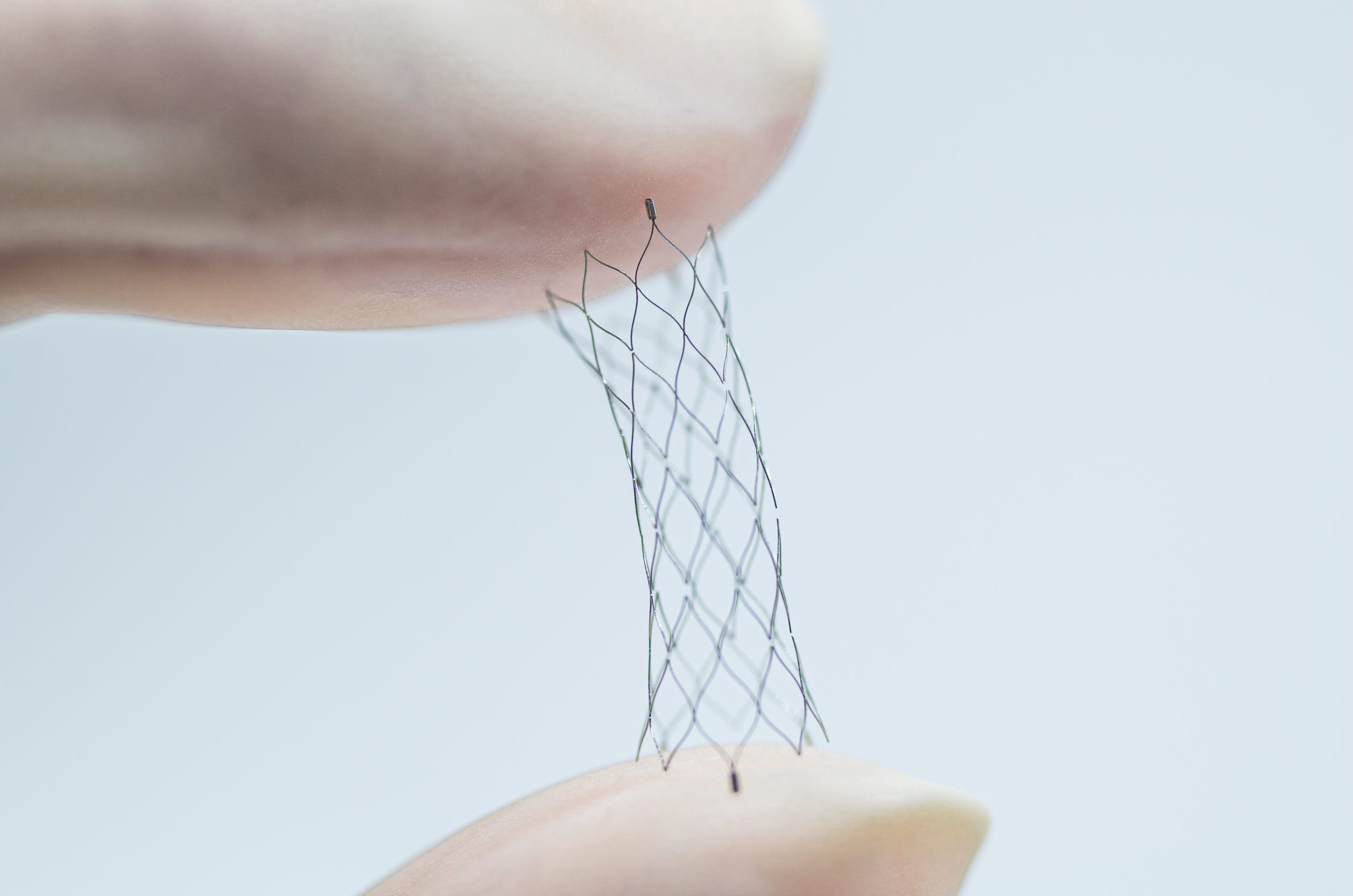
The world of phenox atropine dosage canine can feel overwhelming if you don’t know where to start. Think of this article as your friendly guide — covering what matters without overcomplicating things.
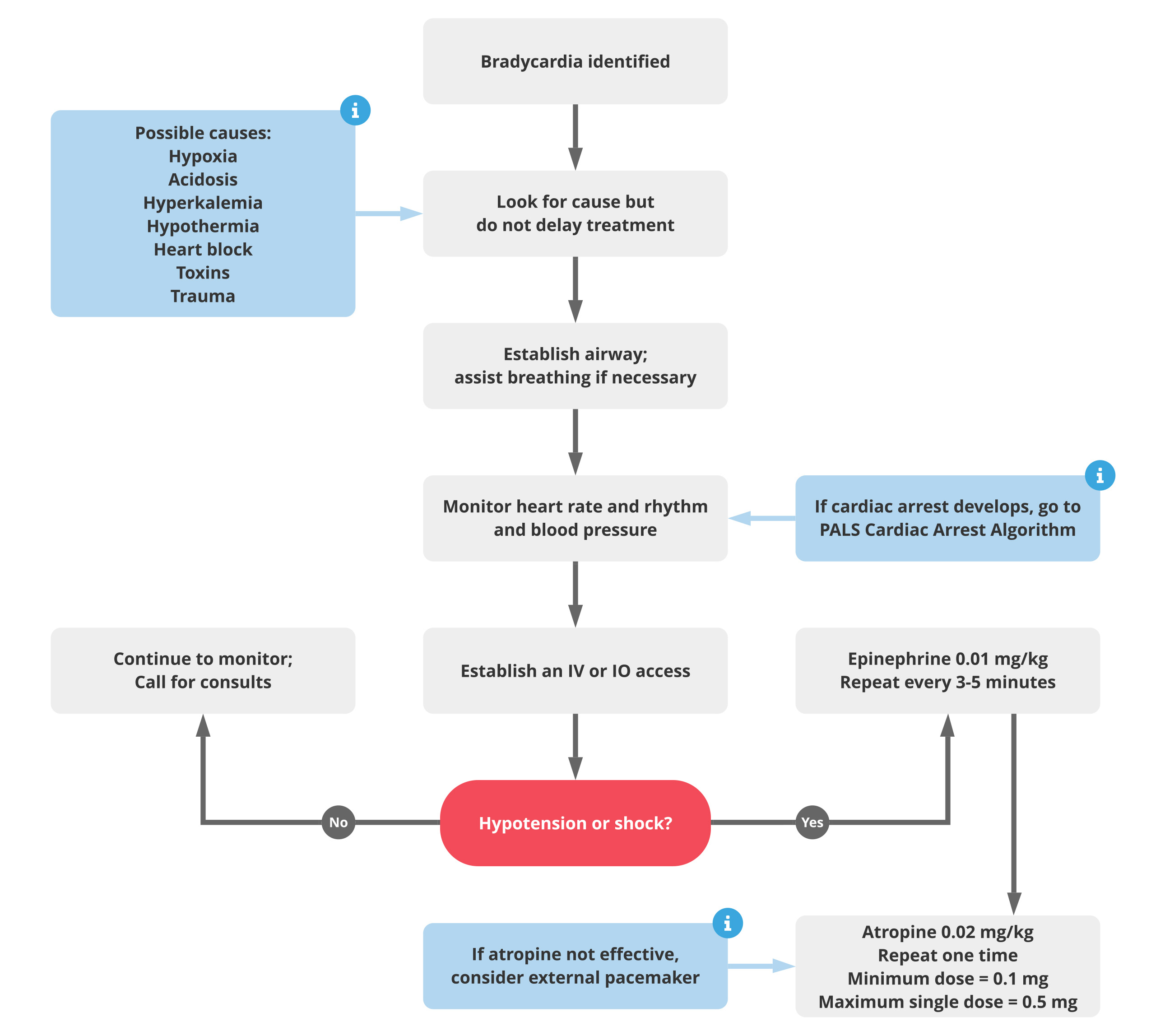
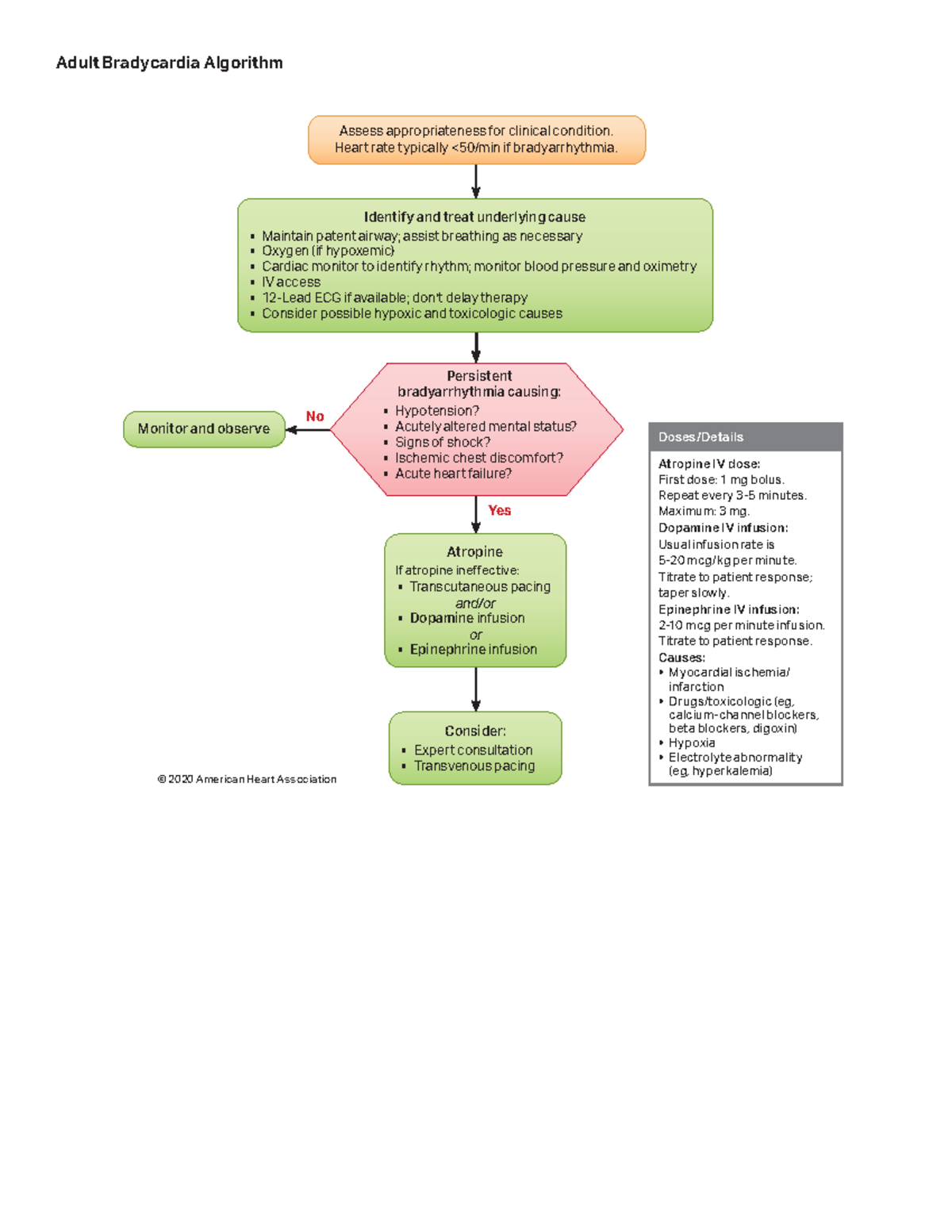
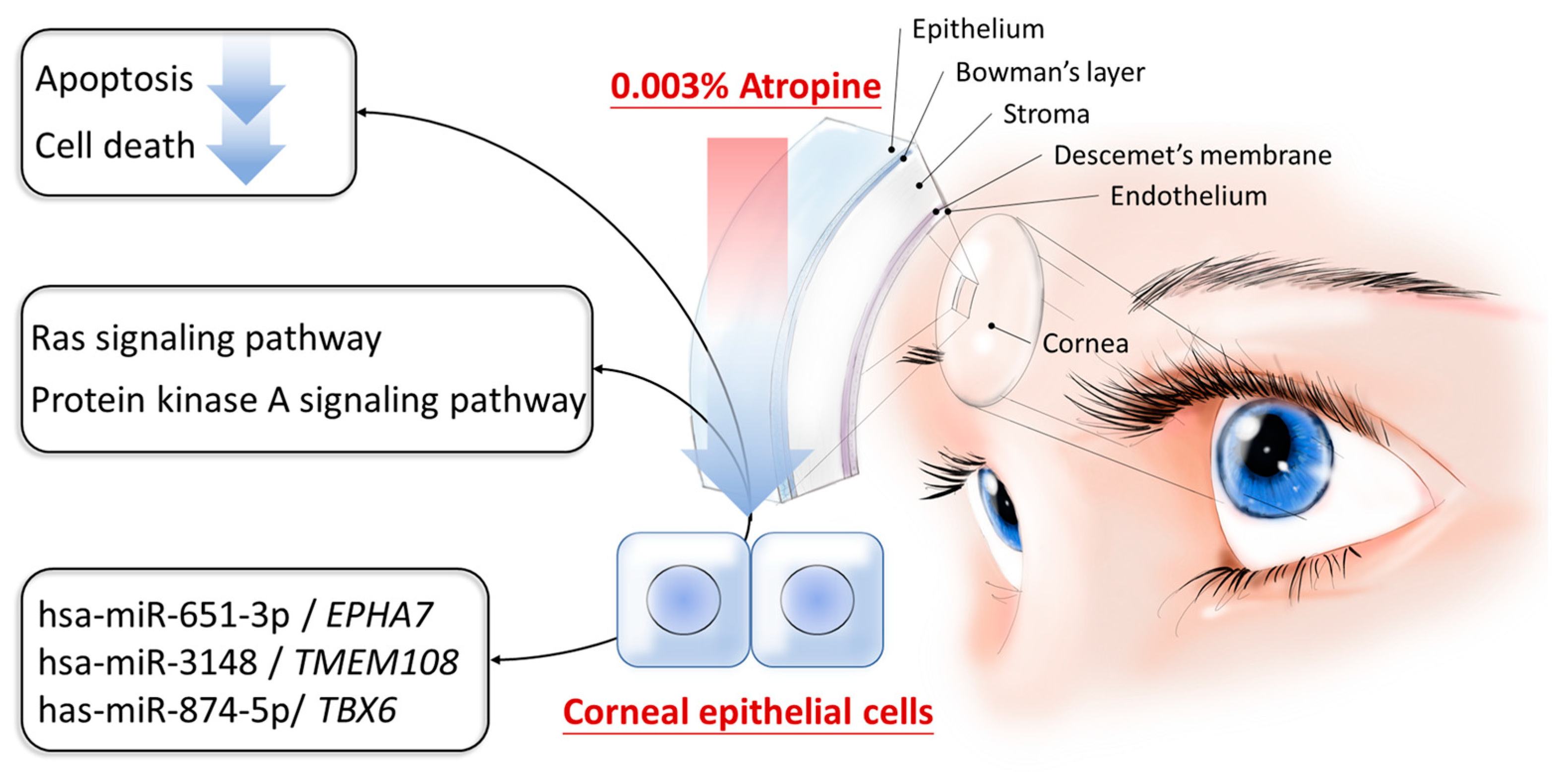
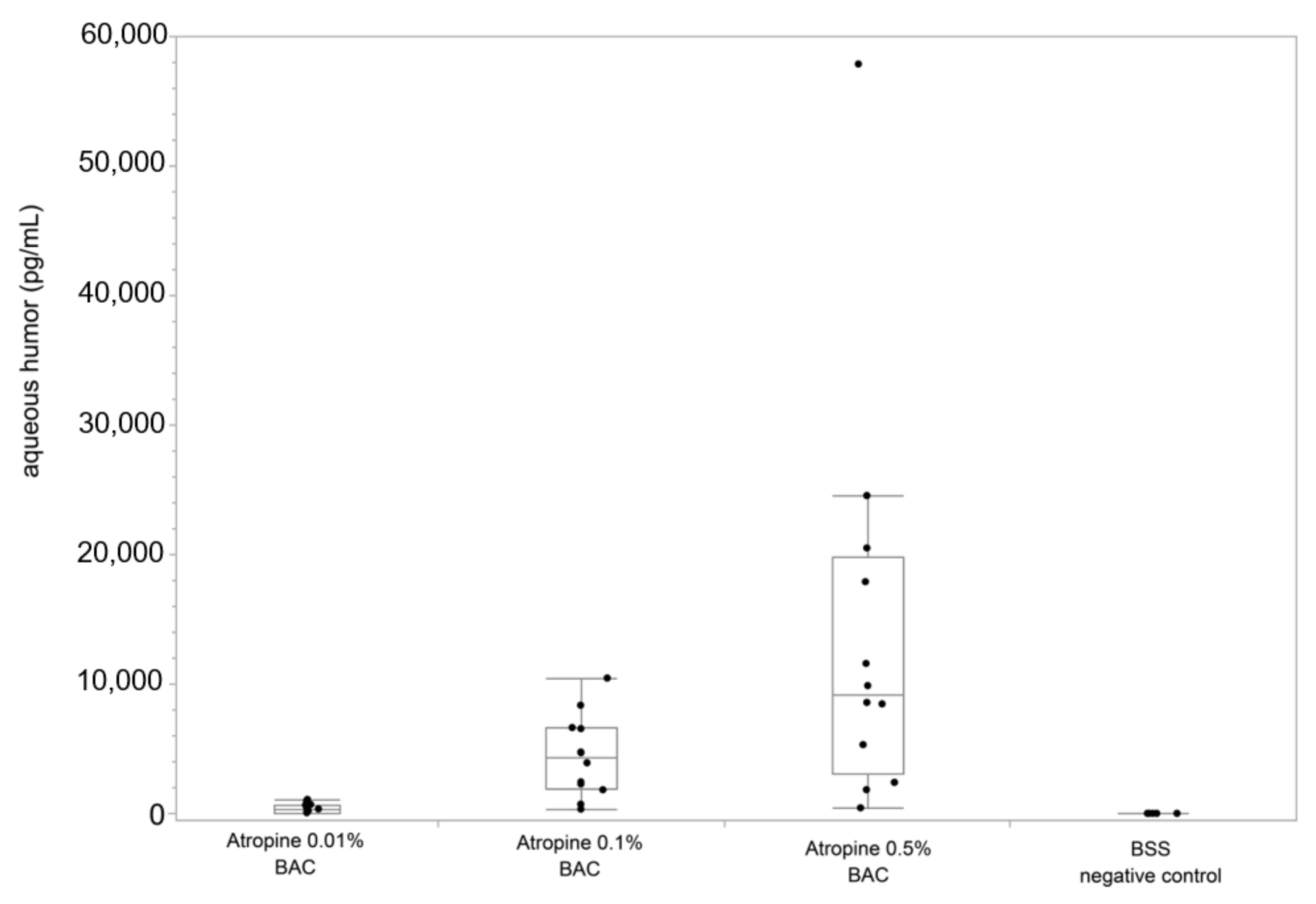
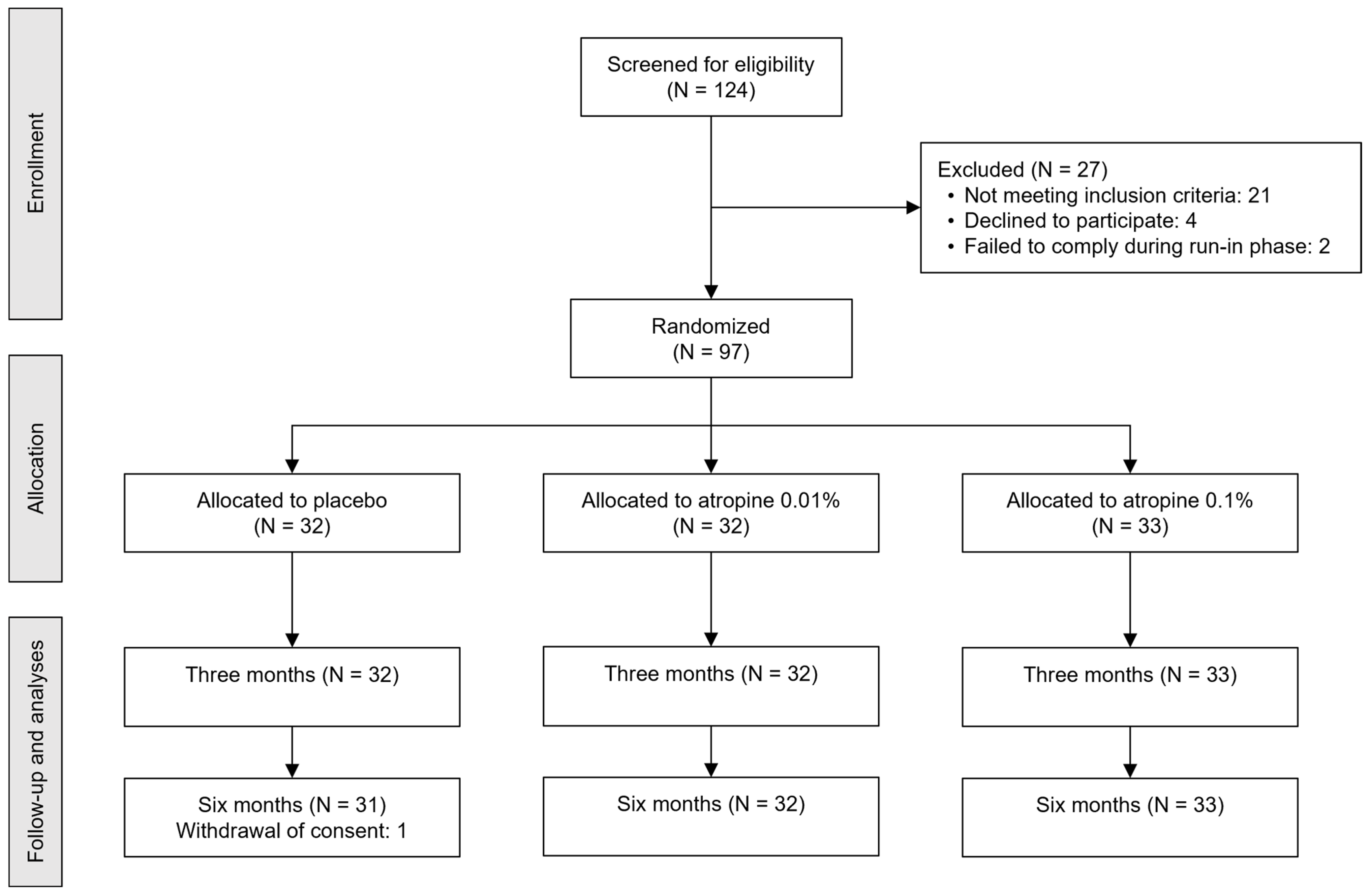
Anticholinergics, also known as antimuscarinics, have long been used to treat and prevent bradycardia during the anesthetic period (figure 1).
Let’s take a moment to consider the different groups of people who regularly deal with phenox atropine dosage canine. Their varied experiences and needs highlight just how broad and multifaceted this topic really is.
Think of your growing knowledge of phenox atropine dosage canine as a foundation. The more solid that foundation, the more confidently you can build on it when new questions or situations arise.
If you want to handle phenox atropine dosage canine with greater confidence, keep the following in mind:
- Look for patterns in how phenox atropine dosage canine plays out across different situations.
- Pay attention to the details — in phenox atropine dosage canine, small things often have a bigger impact than they seem.
- Stay current — phenox atropine dosage canine is a topic that evolves, and outdated information can lead you astray.
- Don’t be afraid to ask questions when something about phenox atropine dosage canine isn’t clear.
- Consider the source of any information you receive about phenox atropine dosage canine — credibility matters.
- Clarify your goals before engaging with phenox atropine dosage canine — knowing what you want to get out of it shapes how you approach it.
Armed with this information about phenox atropine dosage canine, you’re better prepared to engage with the topic whenever it arises. That preparation has real value — and the knowledge you carry forward from this article is a part of it.