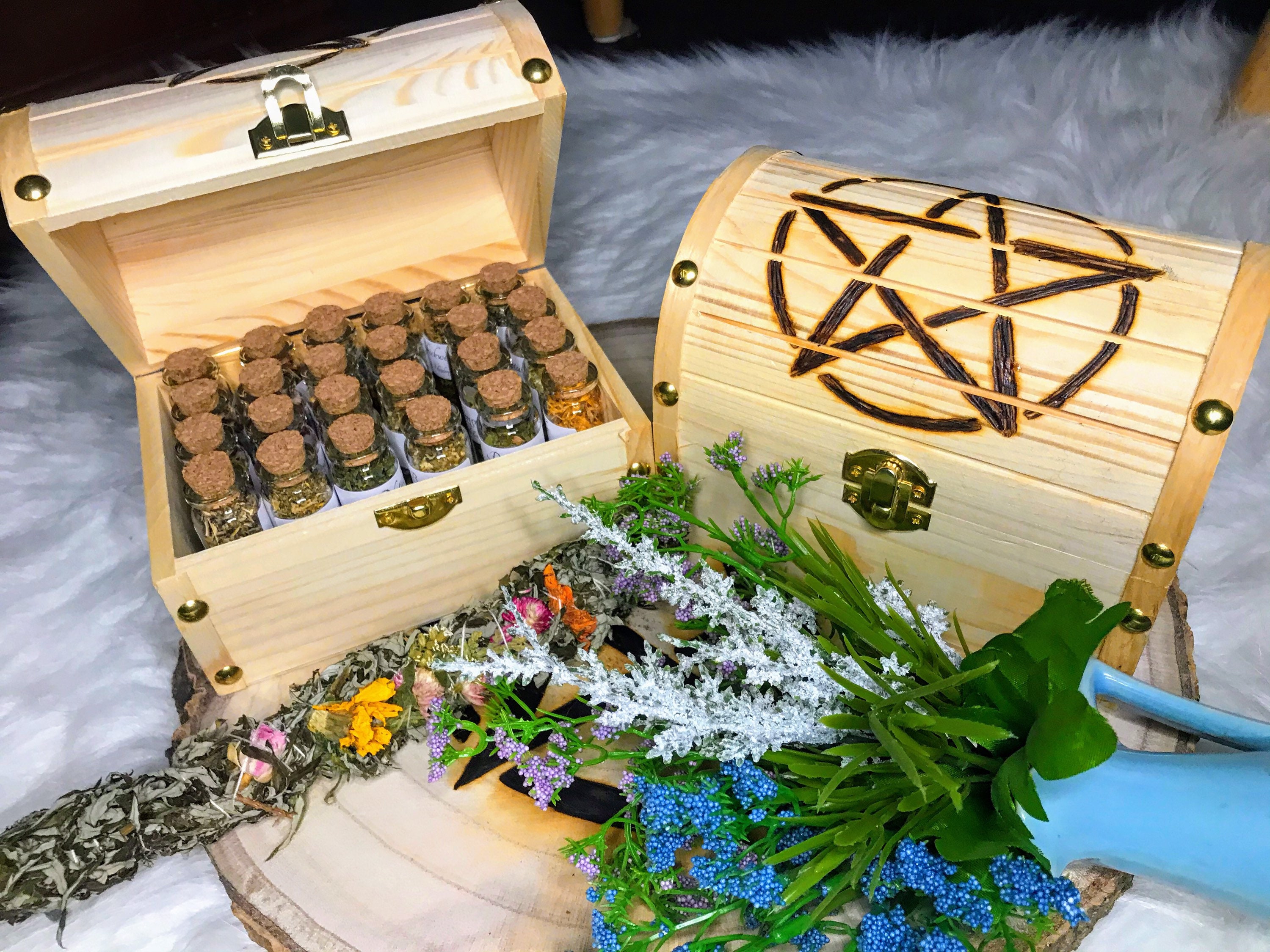



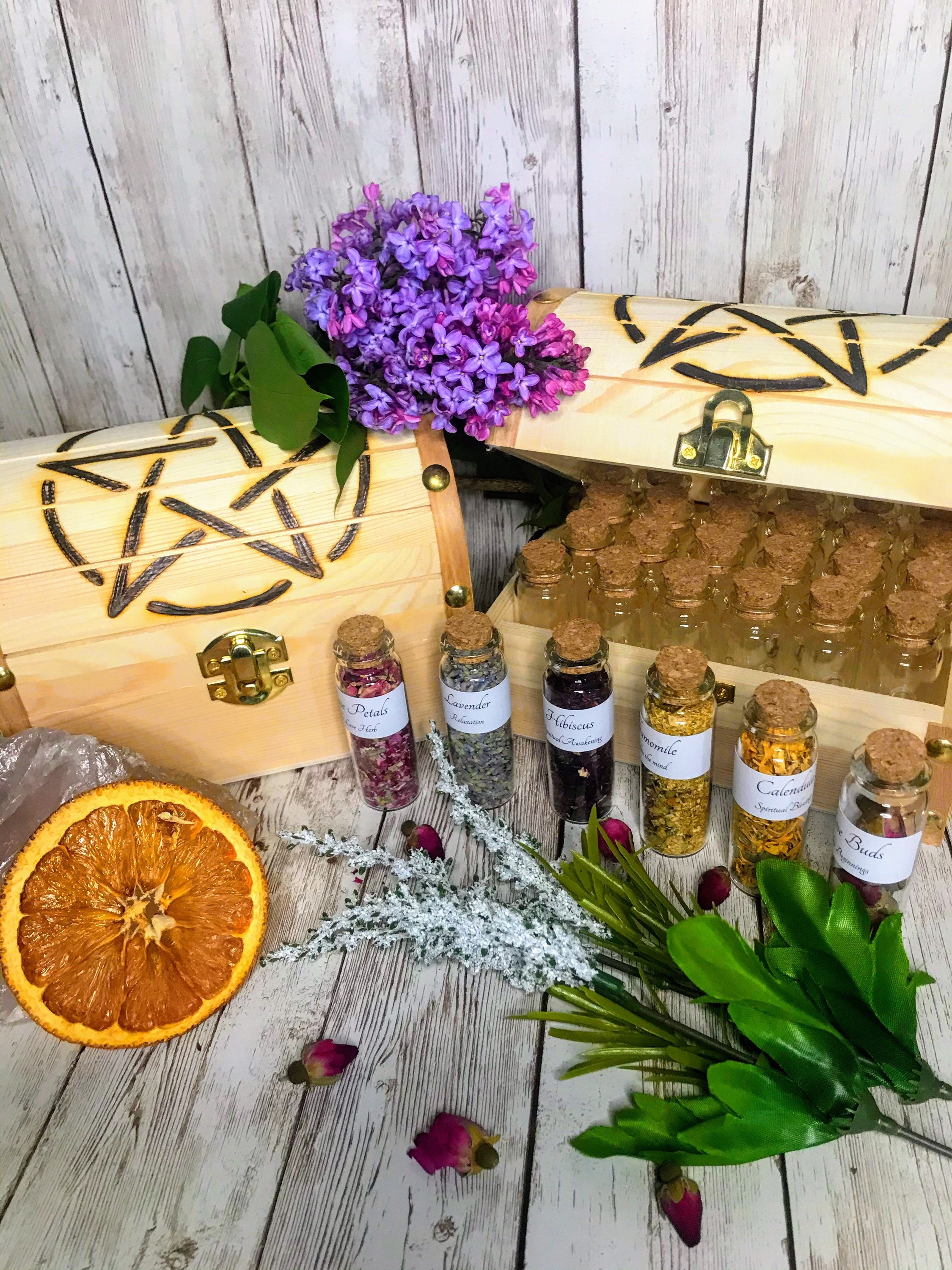
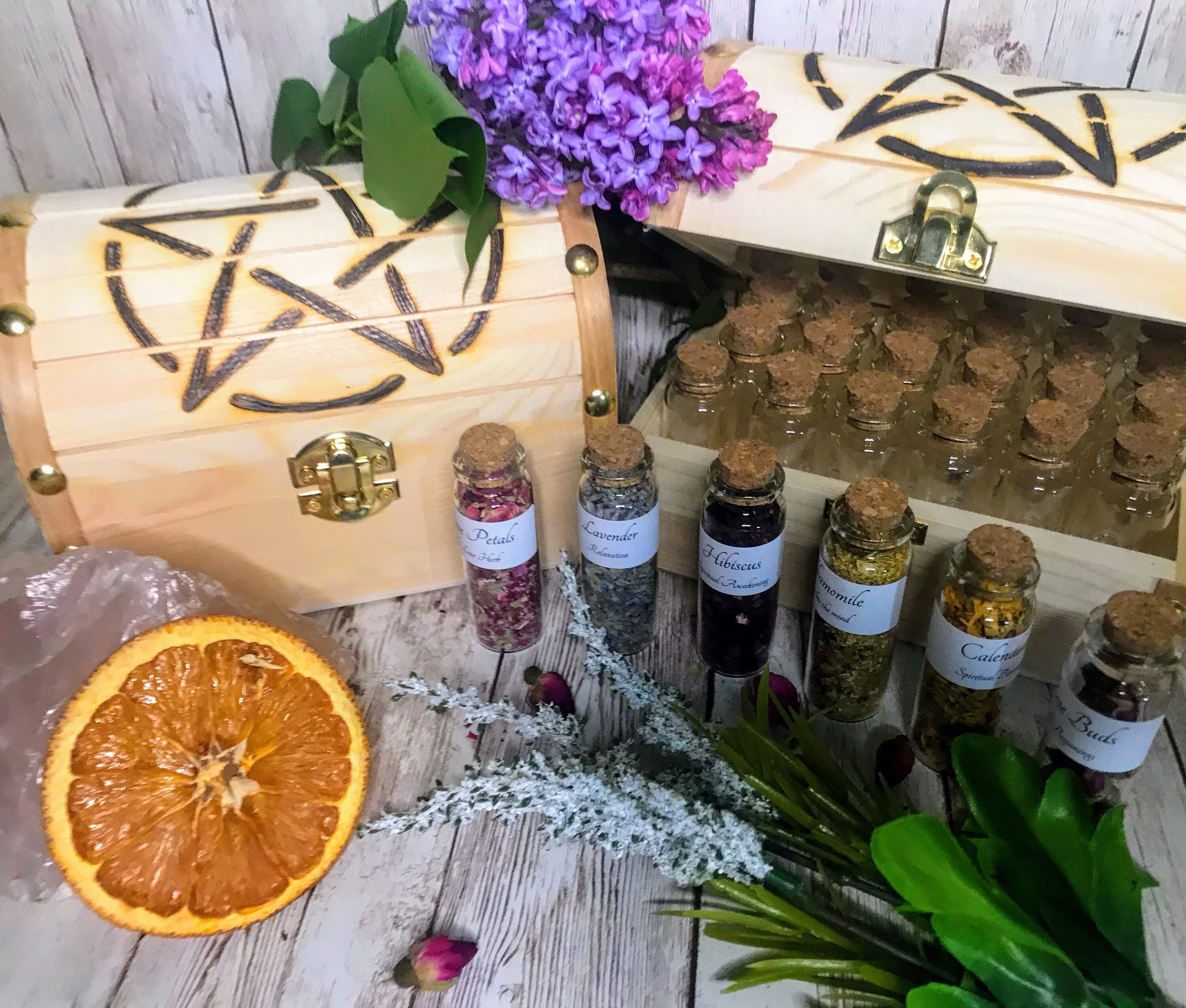
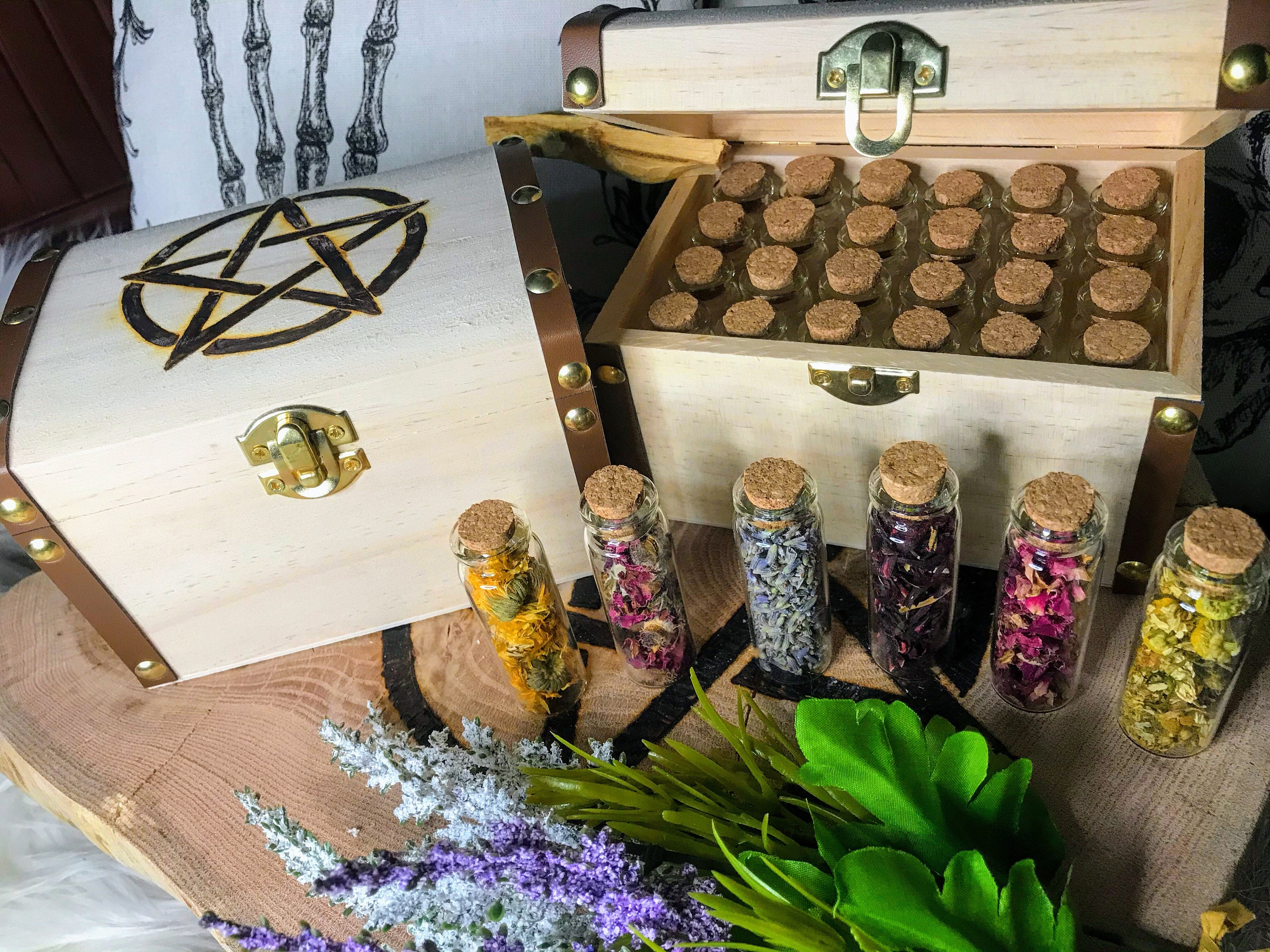


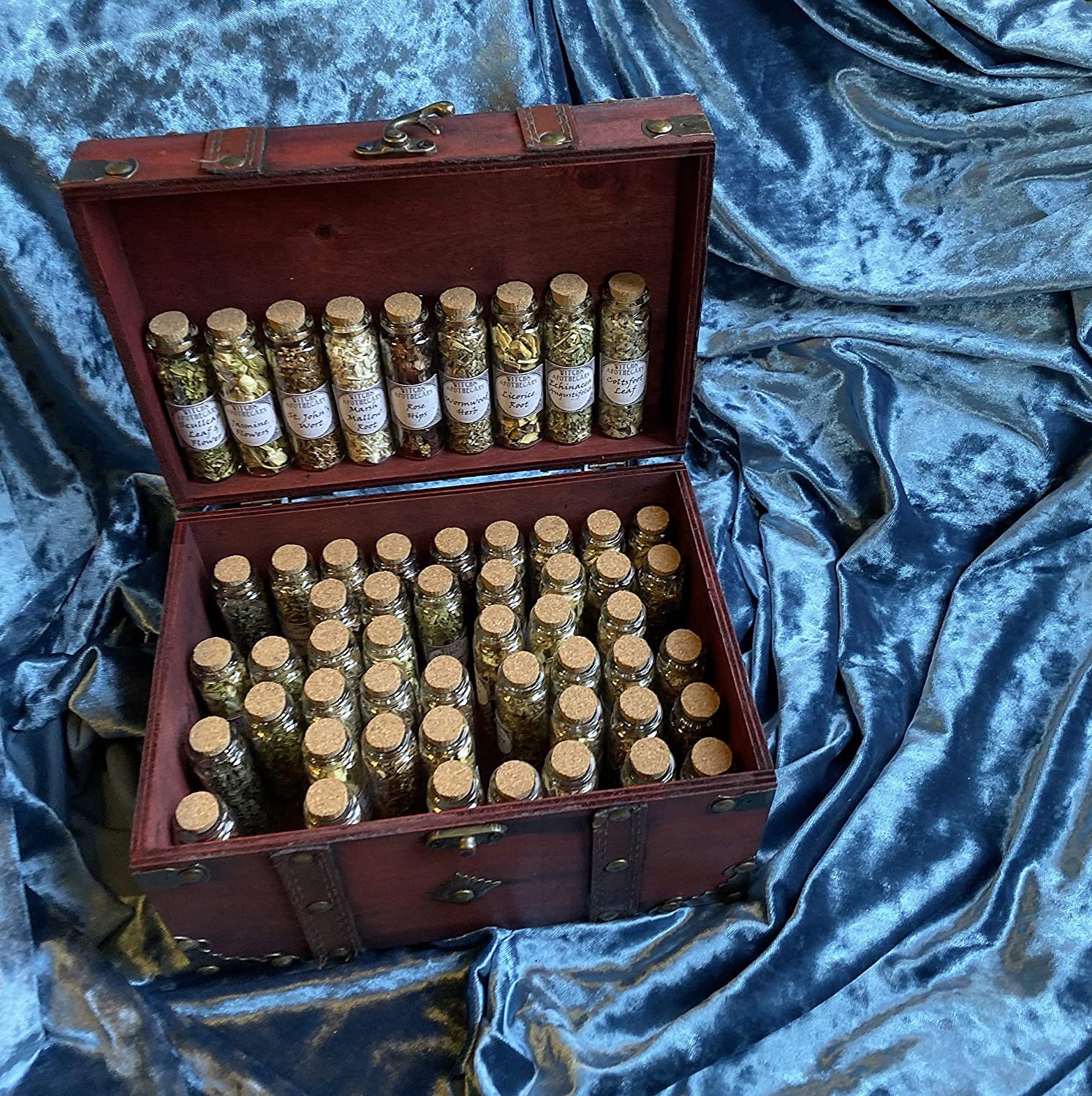


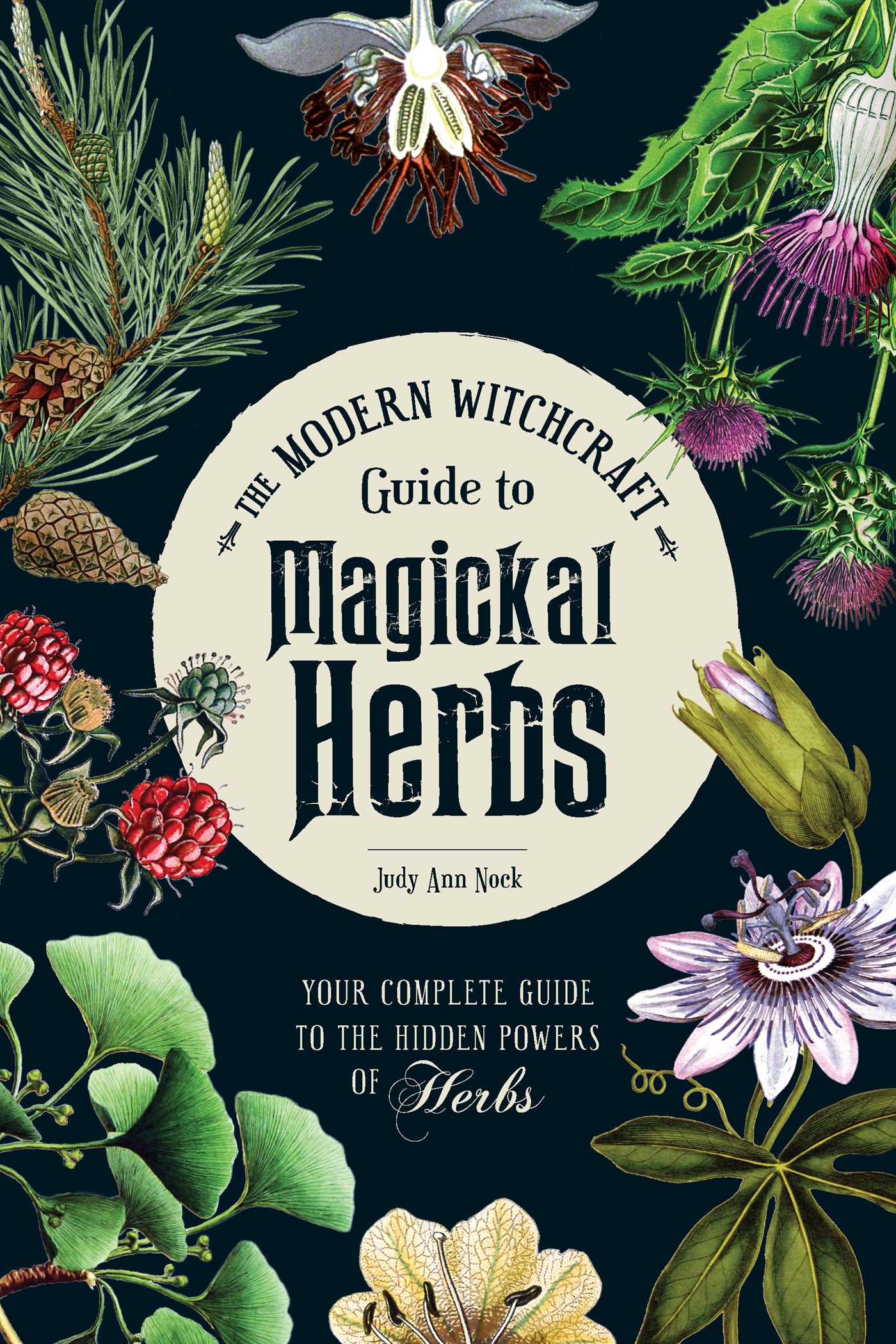

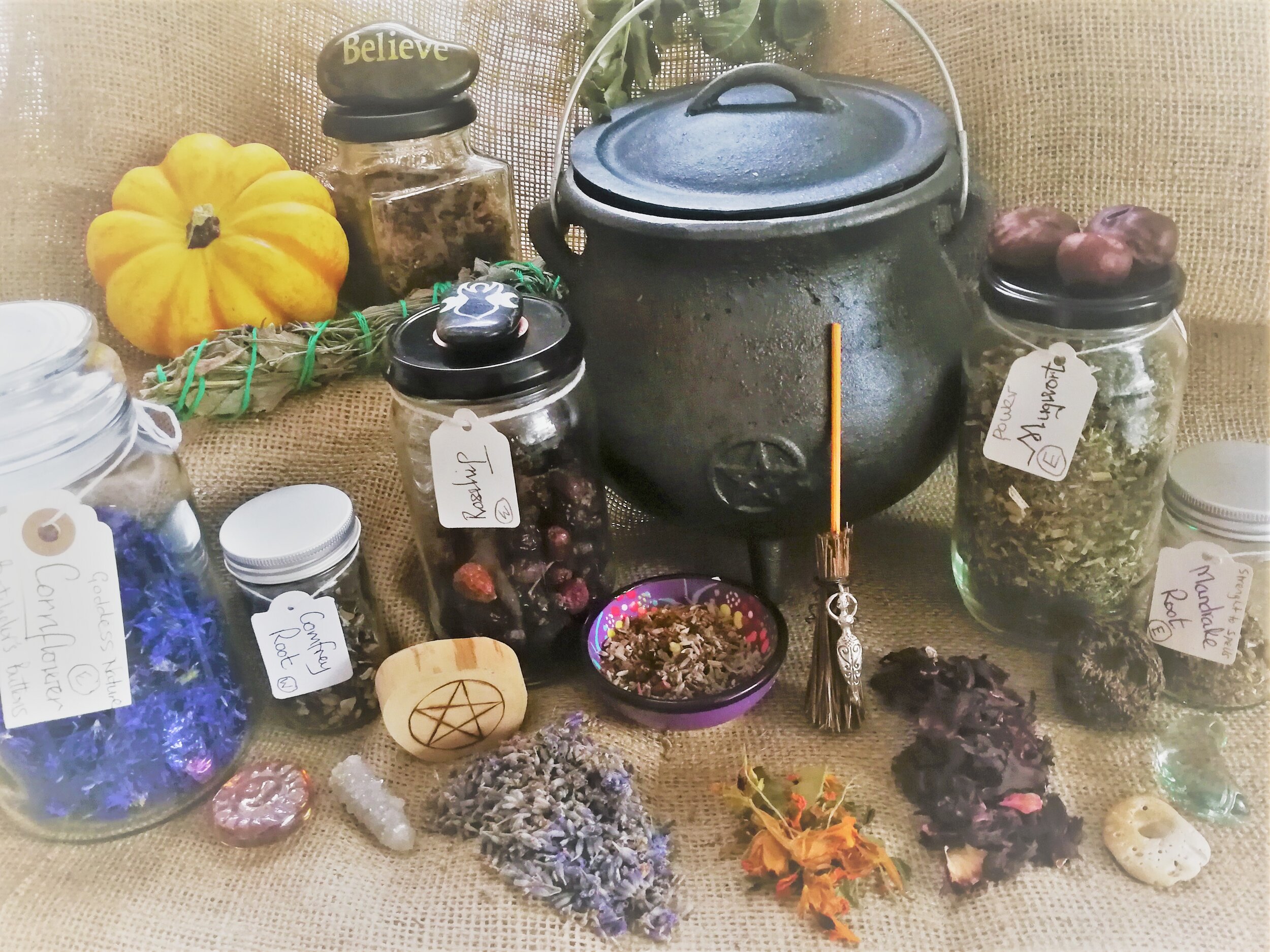
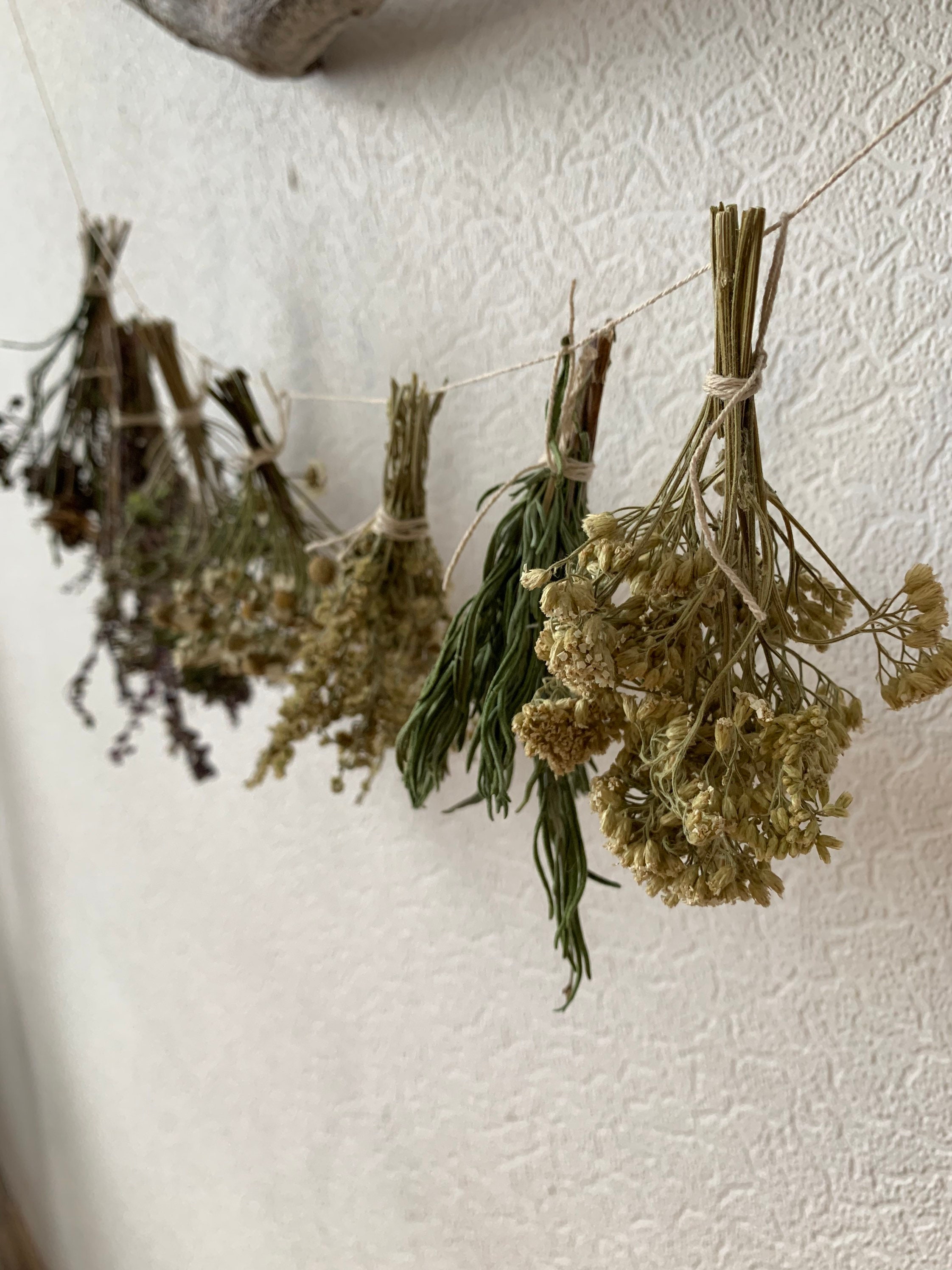
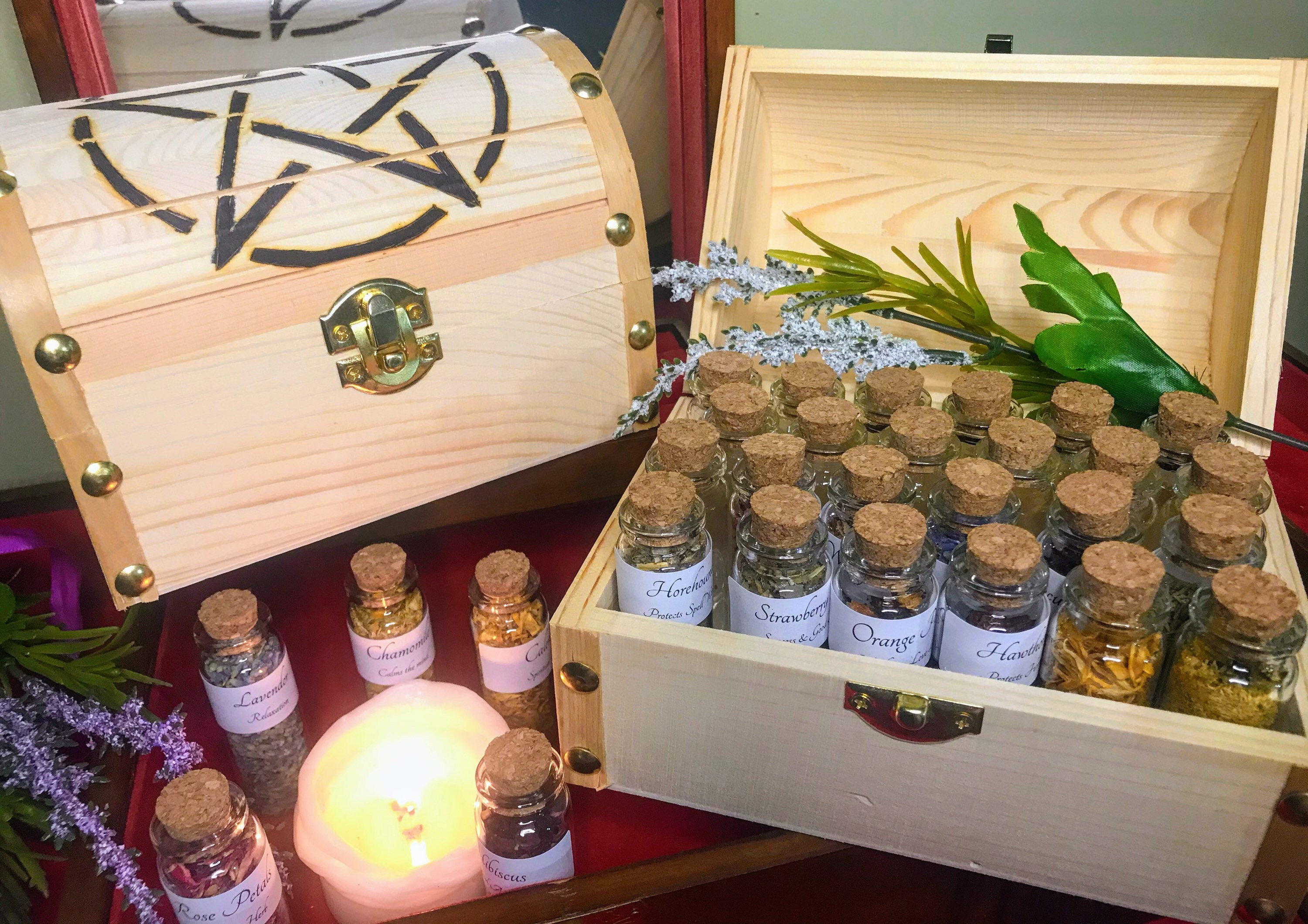

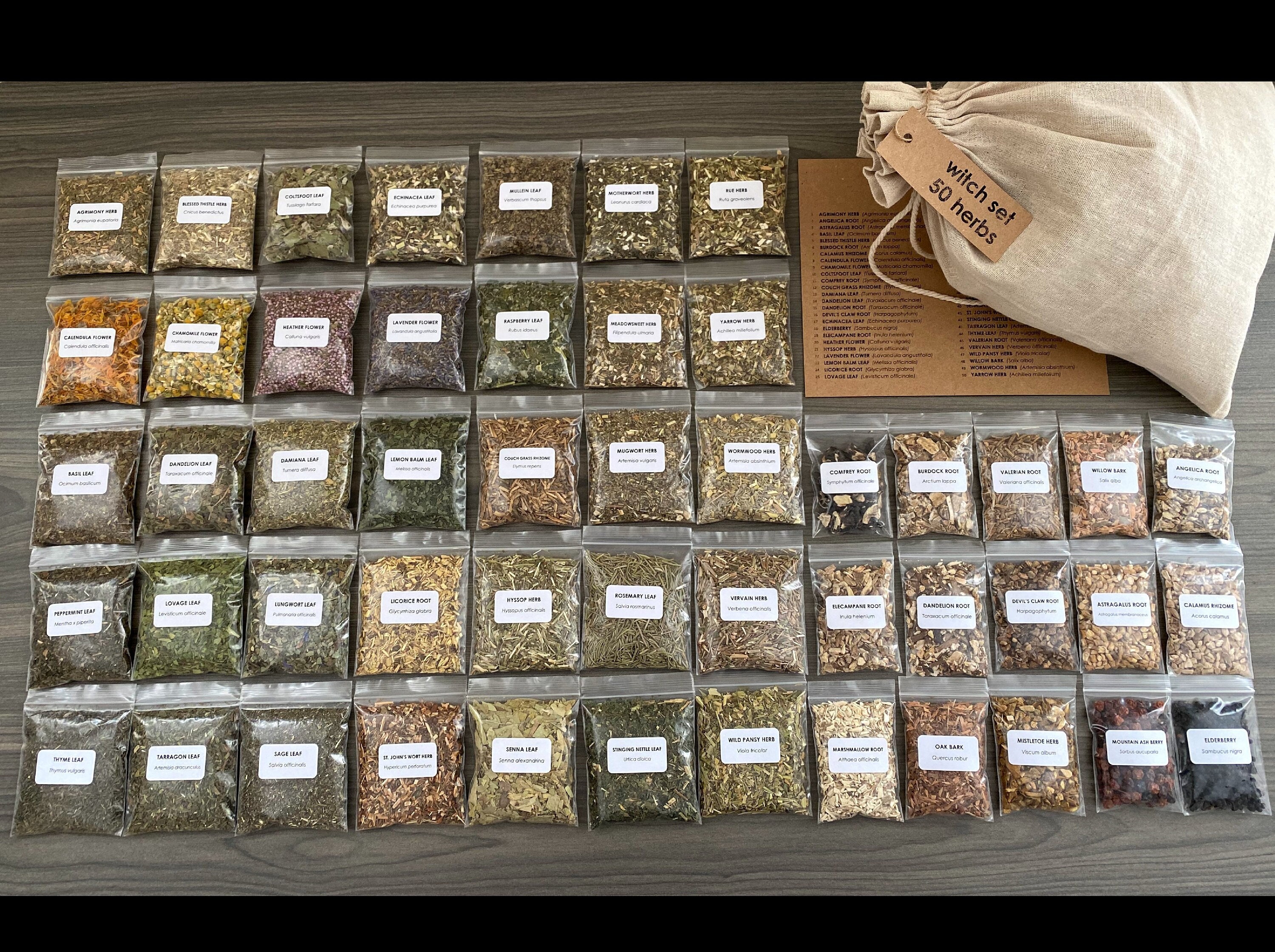
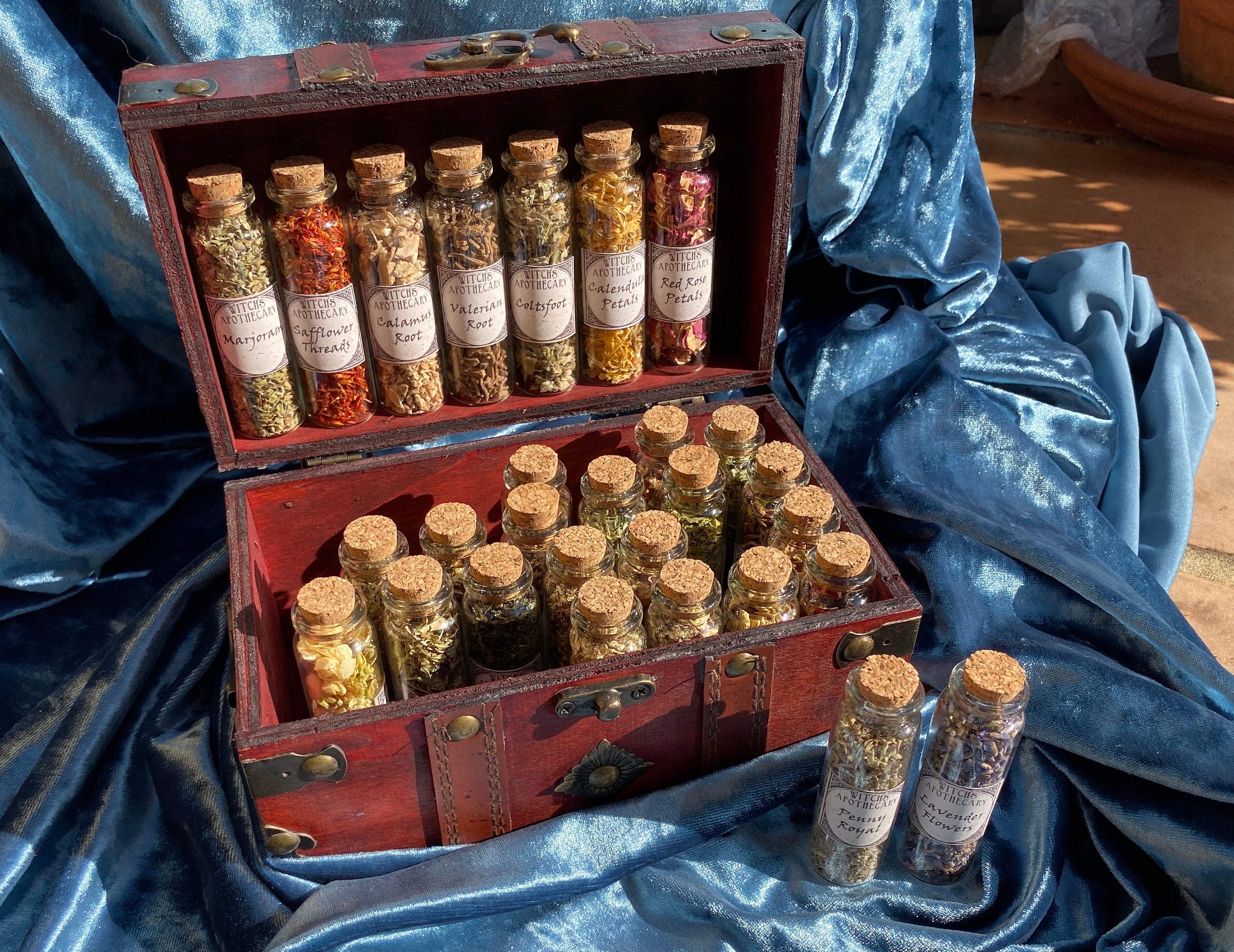
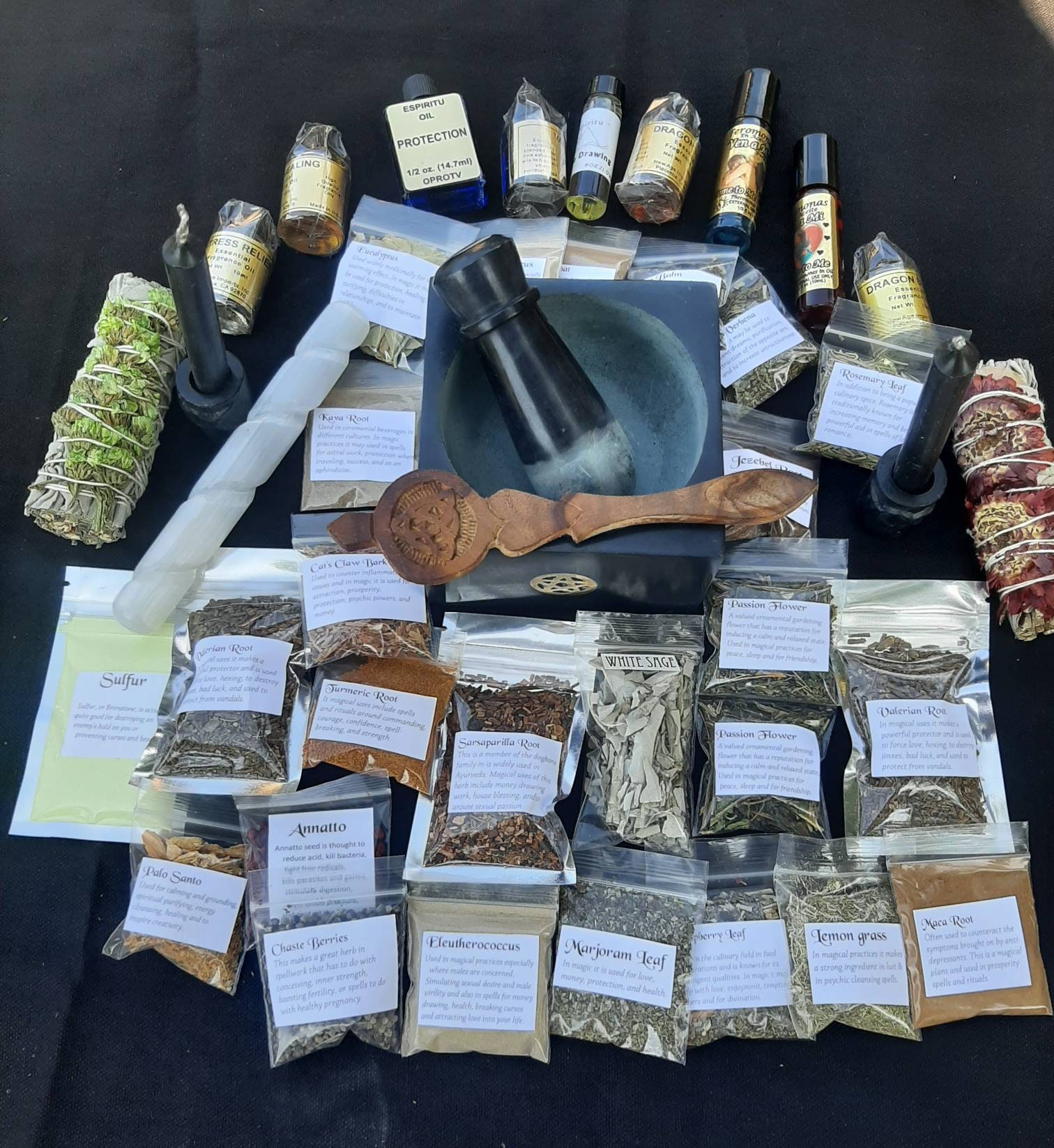

In our experience, the best way to approach herbs for witch craft is to start with context, then build toward practical insights. That’s exactly the structure we’ve used here.
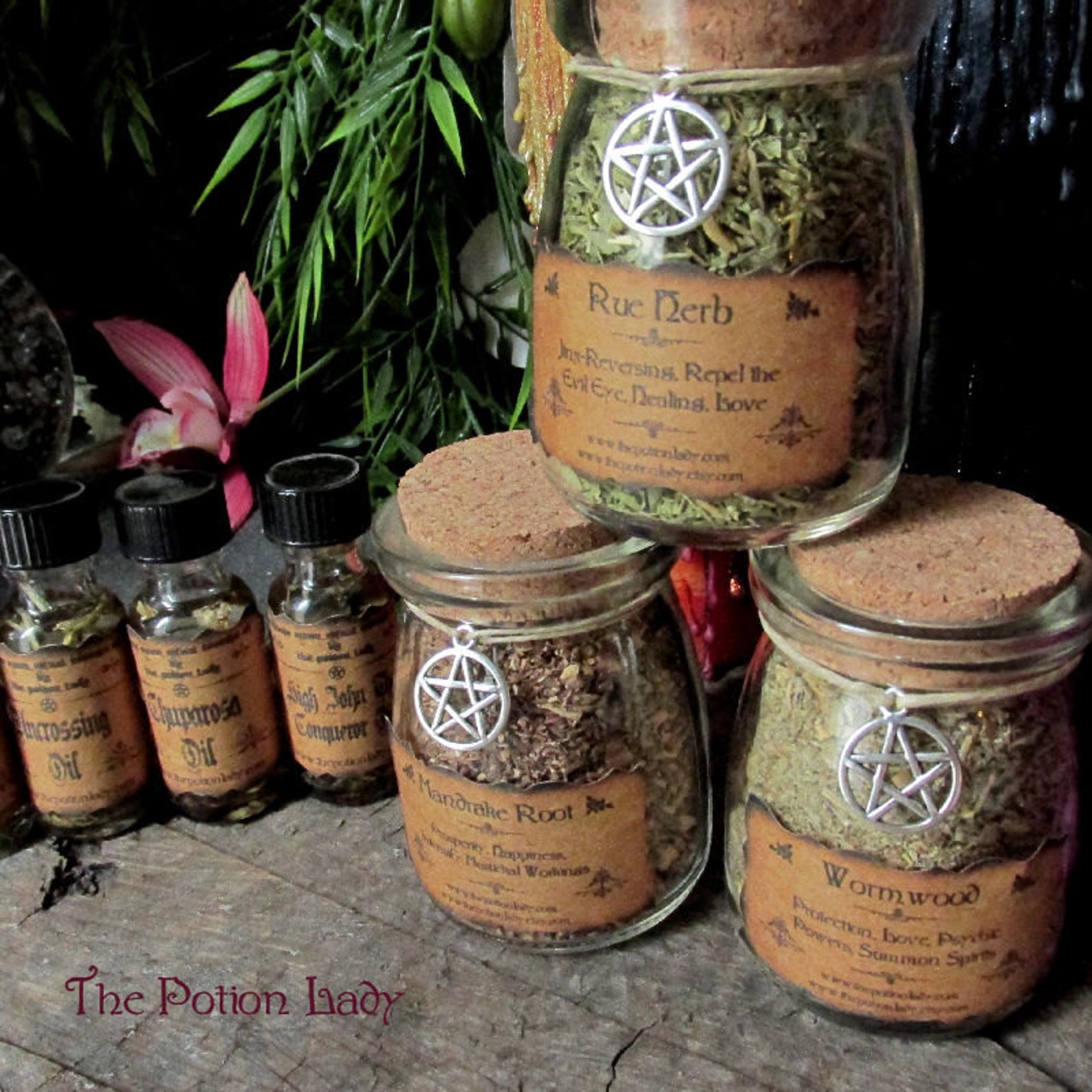
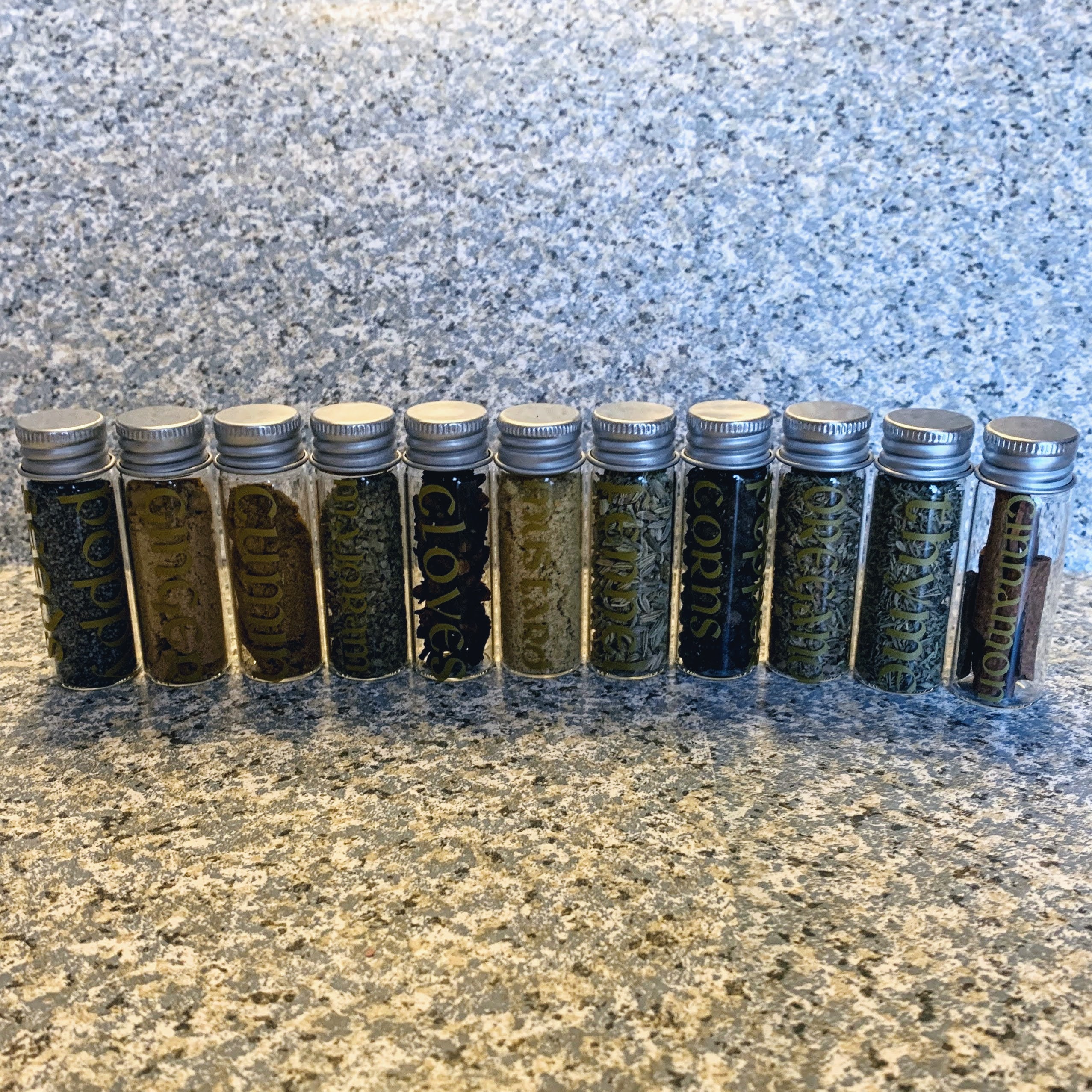
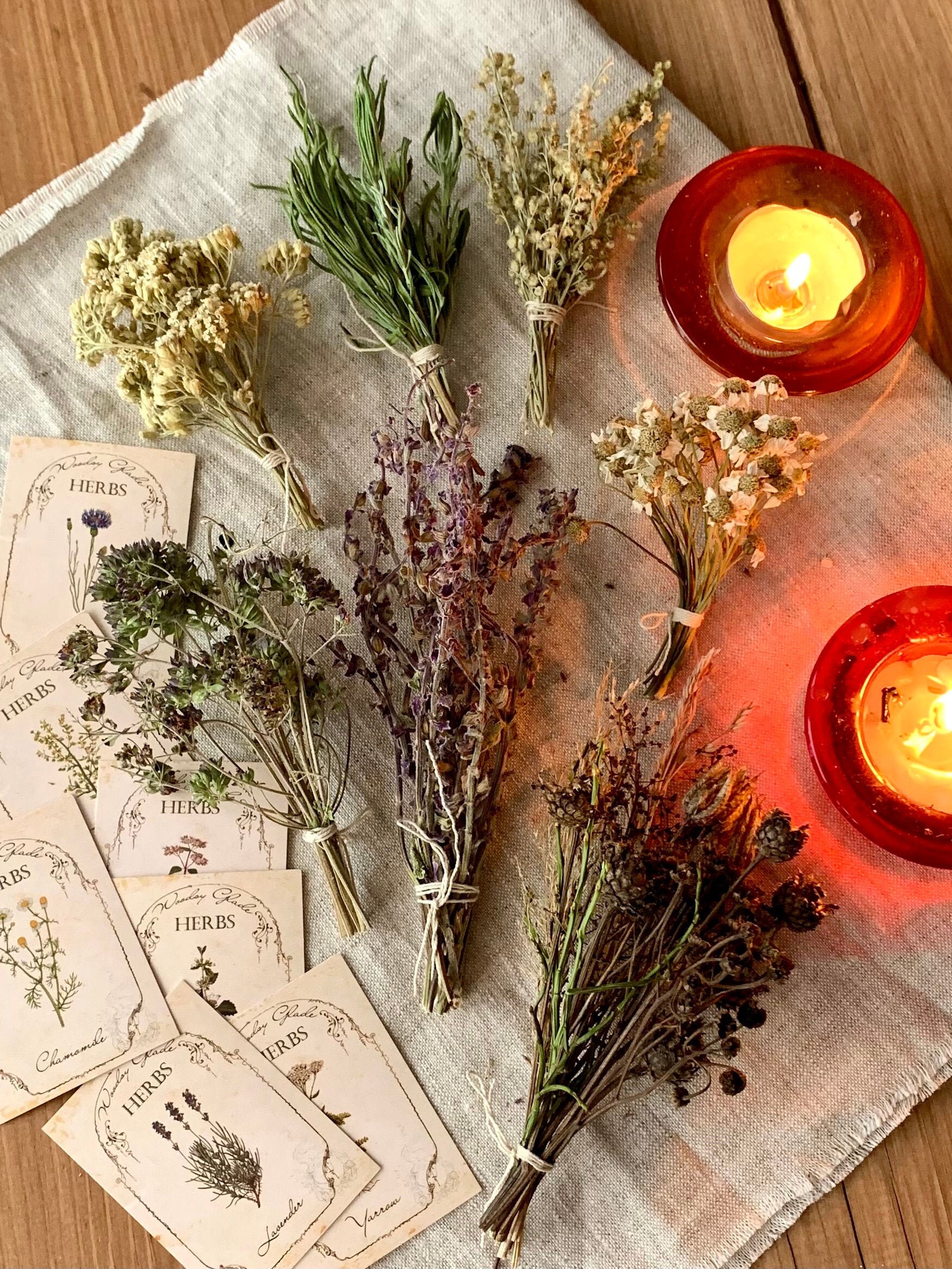
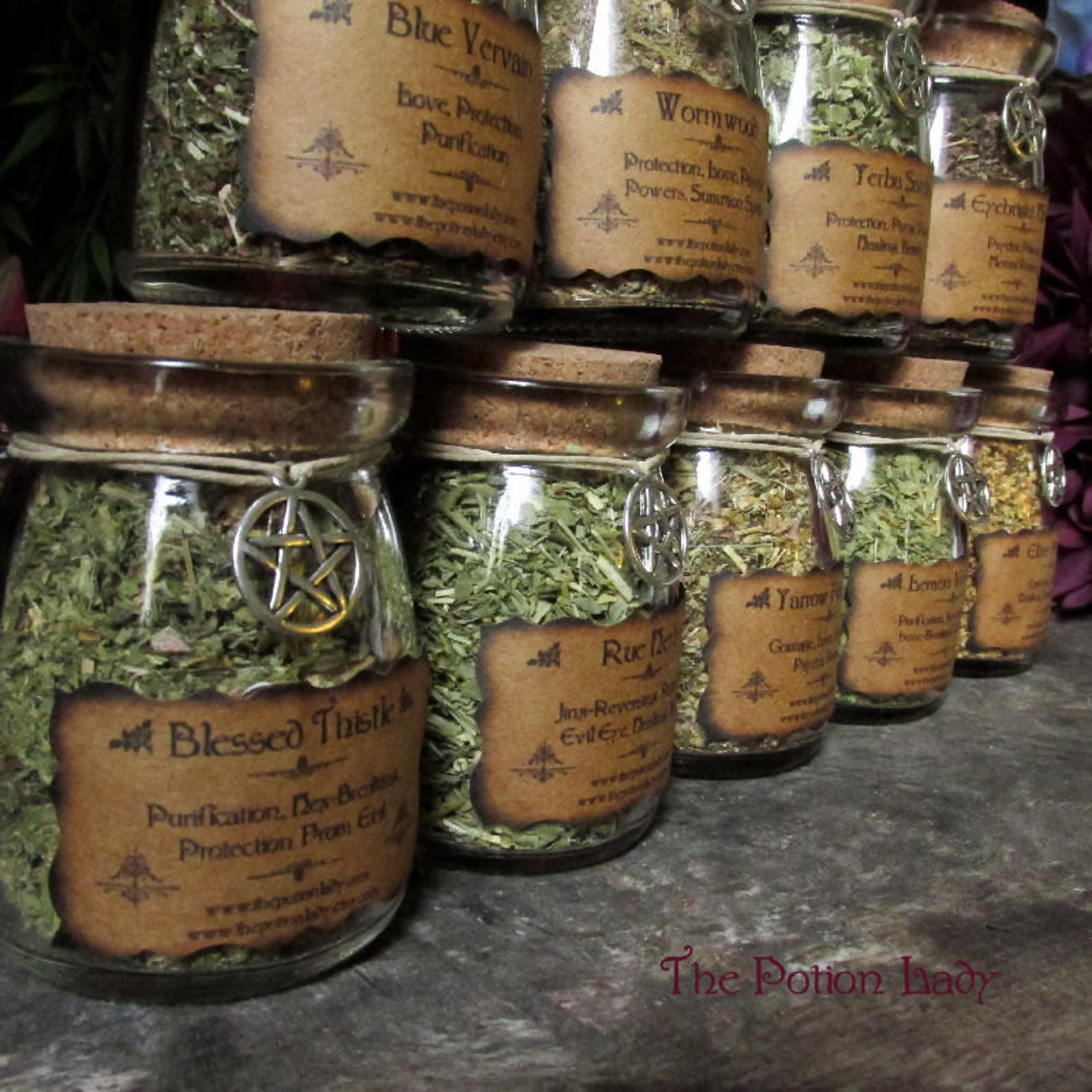
Webherbs like chamomile are cherished for their gentle nature, offering peace and attracting money, while bolder herbs such as ginger are used to ‘heat up’ spells, adding.
What separates people who handle herbs for witch craft well from those who struggle? Often, it comes down to preparation, a willingness to ask questions, and a clear sense of what they’re trying to achieve.
Herbs For Witch Craft rewards those who approach it with genuine curiosity. The more questions you ask, the more useful your understanding of herbs for witch craft becomes — and the more confidently you can engage with it.
Based on what we know about herbs for witch craft, the following points are worth keeping in mind:
- Take note of how herbs for witch craft connects to related topics — the connections often illuminate the subject.
- Be willing to revise your understanding of herbs for witch craft as you gather new information.
- Start with a solid understanding of the basics before diving into the more complex aspects of herbs for witch craft.
- Document your questions and findings as you explore herbs for witch craft — it helps organize your thinking.
- Do your research from multiple sources to get a well-rounded view of herbs for witch craft.
There’s something meaningful about taking the time to understand a topic as thoroughly as we’ve tried to cover herbs for witch craft here. That commitment to understanding is itself a valuable quality — one that will serve you well far beyond the scope of this article.